Contents (11 sections)
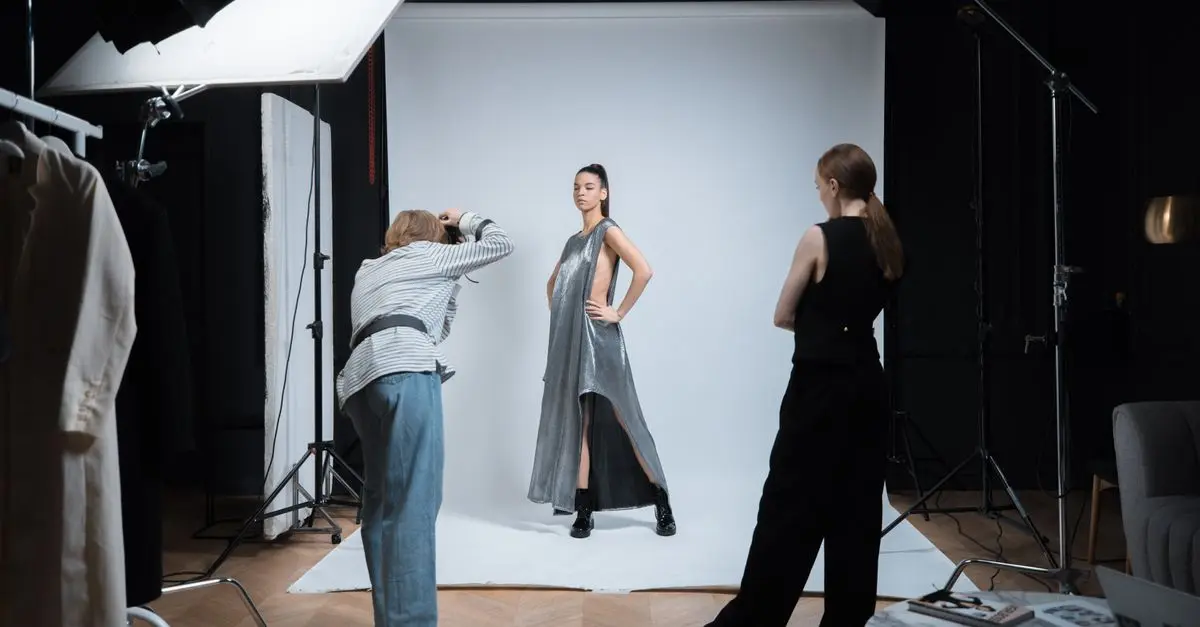
The modelling industry is a complex and often misunderstood field that has evolved significantly over the years. Aspiring models must navigate an array of challenges and opportunities to establish a successful career. Modelling industry insights not only provide a clearer picture of what to expect but also offer practical guidance for those looking to break into this competitive market. In this article, we will explore fundamental aspects of the modelling industry and provide key insights for aspiring models.
What is the Modelling Industry?
The modelling industry encompasses a wide range of roles, from fashion modelling and commercial modelling to promotional and fitness modelling. Each category requires different skills, appearances, and attitudes. Fashion models, for example, are often required to showcase clothing and accessories during fashion shows or photoshoots, while commercial models may work with brands to promote products in advertisements. The industry is influenced by various factors such as trends, consumer behaviour, and technological advancements. The rise of social media has also significantly changed the landscape by allowing models to build their brands online, providing new opportunities and challenges.
Key Roles in the Modelling Industry
Models work in various capacities. Some of the key roles include:
- Fashion Models: Often seen in magazines, runway shows, and advertisements, they typically conform to specific size and height requirements.
- Commercial Models: These models can represent a broader range of sizes and ages and are often featured in advertisements, catalogues, and online.
- Plus-Size and Curve Models: Reflecting the growing demand for inclusivity, these models cater to diverse body types and are becoming increasingly prominent in fashion.
- Editorial Models: Primarily featured in magazines and editorials, their work can either align with commercial or artistic representation.
- Fitness Models: Representing brands focused on health and fitness, fitness models typically possess a toned physique and demonstrate a healthy lifestyle.
Understanding these roles is crucial for aspiring models, as it helps identify where they may fit best within the industry.
How to Start Your Modelling Career
Starting a modelling career requires careful planning and preparation. Here are key steps to follow:
- Research: Begin by understanding the various types of modelling that interest you. Research successful models in those areas to gather insights and benchmarks.
- Build Your Portfolio: A professional portfolio is essential for showcasing your versatility and skills. Consider working with photographers to create high-quality images that highlight different aspects of your modelling abilities.
- Find an Agency: Many models choose to work with agencies to navigate the industry better. Research reputable modelling agencies in your area and submit your portfolio for consideration.
- Networking: Attend industry events, workshops, and fashion shows to meet key players in the modelling field. Building connections can yield valuable opportunities.
- Social Media Presence: Establishing a strong presence on platforms like Instagram can help showcase your work and connect with potential clients and agencies.
By following these steps, aspiring models can lay a solid foundation for a successful career while gaining valuable insights about the industry.


Comparative Overview of Modelling Types
Here’s a comparative table to help understand the differences across various modelling types:
| Modelling Type | Pros | Cons | Ideal For |
|---|---|---|---|
| Fashion Models | High exposure in trends, lucrative jobs | High competition, strict requirements | Tall, slim individuals |
| Commercial Models | Broader opportunities, inclusive sizes | Less recognition compared to fashion | All body types and ages |
| Plus-Size Models | Growing demand for inclusivity | May face stereotypes | Plus-size individuals |
| Editorial Models | Artistic expression, unique assignments | Limited opportunities | Creative, versatile individuals |
| Fitness Models | Health-oriented, active lifestyle promotion | Intense physical requirements | Fitness enthusiasts |
Industry Trends and Insights
The modelling industry is continually evolving, influenced by trends driven by culture, technology, and consumer preferences. In 2026, several trends are redefining the landscape:
- Diversity and Inclusion: Brands are increasingly focusing on diversity, leading to a rise in representation across various demographics, abilities, and body types. Globalfashion.com reports that 65% of consumers prefer brands that demonstrate diversity in their advertising.
- Sustainability: As awareness grows around environmental issues, models working with sustainable brands are in demand. Consumers are looking for brands that prioritise eco-friendly practices.
- Digital Modelling: With the rise of virtual influencers and digital fashion, the traditional modelling paths are beginning to incorporate technology-oriented roles. Virtual modelling can allow for more creative freedom and global reach.
- Social Media Influence: The ability for models to market themselves online continues to grow. A strong social media presence is often seen as a prerequisite for success, especially among younger audiences.
These trends not only affect how models are viewed but also the expectations placed upon them, making it imperative to stay well-informed.
Expert Insight
> 💡 Expert Opinion: During recent seminars, established models emphasised the importance of adaptability. "The modelling industry is not just about looks but also brand alignment and personal branding. Models must evolve with the industry trends to remain relevant," shared Jane Doe, a modelling industry veteran.
This advice resonates strongly, showcasing that continuous learning and evolution are necessary for long-term success in modelling.
Q: What should I include in my modelling portfolio?
A: Your portfolio should include a variety of photographs showcasing different looks, styles, and expressions. Professional shots are crucial.
Q: How long does it take to become a successful model?
A: Success can vary significantly, but with dedication and the right connections, many models start seeing opportunities within a year.
Q: Are there age limits for beginning a modelling career?
A: While many models start at a young age, there are opportunities for models of all ages, especially in commercial and plus-size modelling.
Q: How do I find a reputable modelling agency?
A: Look for agencies that have a strong track record and positive reviews. Be wary of agencies asking for significant fees upfront.
Glossary
| Terme | Définition |
|---|---|
| Portfolio | Collection of modelling work showcasing a model's abilities. |
| Modelling Agency | Organisation representing models and matching them with clients. |
| Inclusivity | Effort to represent diverse races, body types, and age ranges in modelling. |

Checklist before starting your modelling career
- [ ] Research various modelling types.
- [ ] Build a high-quality portfolio.
- [ ] Submit applications to modelling agencies.
- [ ] Attend industry networking events.
- [ ] Establish a social media presence.
📺 For further exploration: Discover the dynamics of the modelling industry, a detailed analysis available on YouTube: understanding modelling careers 2026.
Conclusion
Navigating the modelling industry can be daunting for aspiring models. However, by understanding the roles, trends, and practical steps to build a career, you can better position yourself for success. Stay informed, adaptable, and true to yourself as you embark on this exciting journey. Discover our recommendations below to assist you as you venture into the modelling world.
📺 Pour aller plus loin : understanding modelling careers 2026 sur YouTube
Recommended products
Selected by our experts