Contents (10 sections)
Creating a modelling portfolio is not just about compiling your best images; it's about telling a story that resonates with potential agents and clients. In this guide, we will explore the vital components of a captivating modelling portfolio, ensuring it stands out in a crowded marketplace.
Step 1: Understand the Purpose of Your Portfolio
Before diving into the construction of your portfolio, it's crucial to understand its primary objective. A modelling portfolio serves as a visual introduction to your work and persona. It shouldn't merely showcase a collection of photographs; it should present a narrative that conveys your unique style, versatility, and professional attitude.
To ensure clarity, consider who your target audience is—booking agents and brands looking for models that align with their campaigns. According to a report from The Model Alliance (2025), having a clear understanding of your brand and target can significantly enhance your chances of getting booked.
Pro Tip: Write down the characteristics that define you as a model, such as the types of roles or brands you aspire to work with. This foundational understanding will guide the selection of images, styles, and themes as you build your portfolio.
Step 2: Choose the Right Photography Style
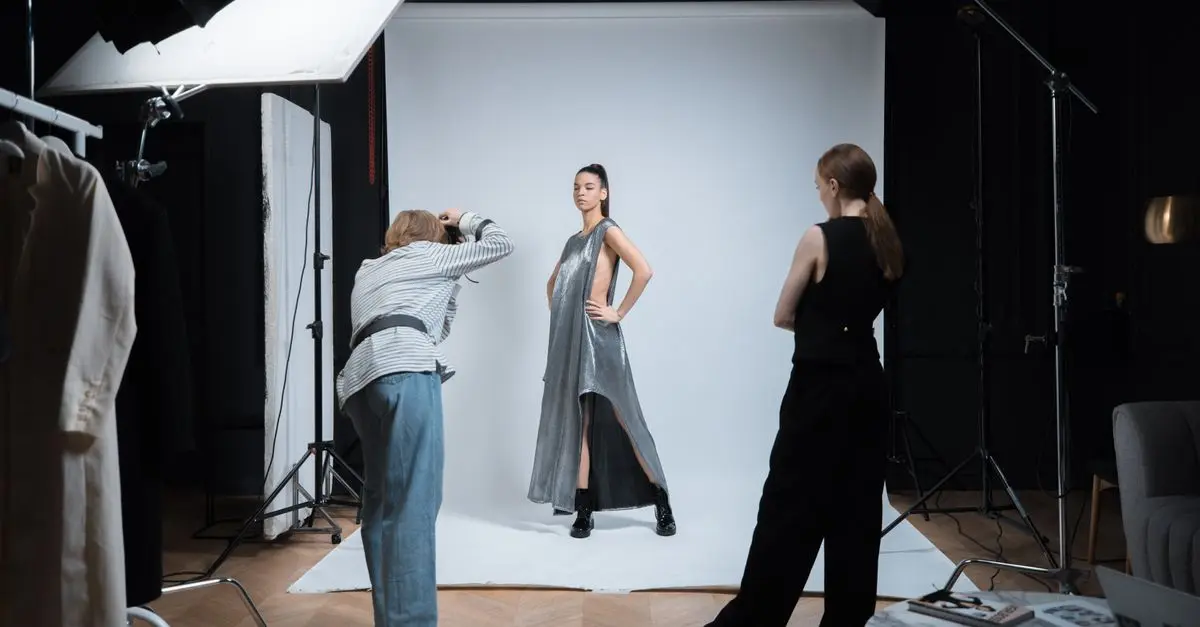
Choosing a photography style that complements your modelling niche is vital. For example, if you're aiming for fashion modelling, high-fashion photography is most appropriate. Alternatively, if you're more suited for commercial modelling, lifestyle photography would be a better fit.
Furthermore, collaborating with a professional photographer can make a considerable difference. A skilled photographer not only produces high-quality images but can also help you in poses, expressions, and overall presentation. A recent study indicated that portfolios featuring professional photographs are 60% more likely to attract agent attention (Source: UFC-Que Choisir).
When selecting a photographer, it's advisable to review their portfolio and ensure it aligns with your vision.
Checklist for selecting a photographer:
- [ ] Review their previous work
- [ ] Discuss your vision and ideas
- [ ] Ensure they have suitable experience in your modelling niche
Step 3: Curate Your Best Work
Once you have the photographs, the next step is curation. Select between 10 to 20 images that best represent your abilities and versatility. It's important that the images are high resolution, well-composed, and convey a variety of looks and styles.
For instance, include:
- Headshots that display your face clearly
- Full-body shots in different outfits
- Dynamic action shots, if applicable to your modelling type
Make sure each photo adds value and tells a part of your story as a model. Avoid overwhelming viewers with too many images; instead, focus on the quality over quantity.
Common Mistakes to Avoid:
- Including outdated photos
- Overusing photos with the same look or pose
- Lacking diversity in representation
Step 4: Design and Layout
The layout and design of your modelling portfolio are just as crucial as the photographs included. A clean, professional design enhances the viewer's experience. Consider these factors when designing your portfolio:
- Consistency: Use uniform fonts and colours that reflect your style.
- Layout: Opt for a layout that’s easy to navigate. Ensure your best shots are front and centre.
- Print vs. Digital: Depending on your target audience, you may create both physical and digital versions of your portfolio. Keep in mind that digital portfolios also allow for video content, which can give a more dynamic view of your abilities.
Pro Tip: If you're creating a digital portfolio, consider integrating a short introduction video, allowing agents to see your personality in action.
Step 5: Seek Feedback and Revise
Before finalising your modelling portfolio, seek feedback from industry professionals, fellow models, or trusted friends. Their perspectives can help you identify gaps or elements that may need improvement. Constructive criticism is invaluable in this regard.
Once you've gathered feedback, revise your portfolio—making sure it showcases you in the best light possible. Consider running a small focus group with peers who have a good understanding of the modelling industry for more targeted advice.
Final Touches: Make sure to include your contact information and social media links. This accessibility can encourage potential collaborators to reach out!
📺 Resource Video
> 📺 For further insights: Creating the Perfect Modelling Portfolio, a thorough guide on the nuances of portfolio development. Search for “how to build a modelling portfolio on YouTube.”
Final Checklist for Your Modelling Portfolio:
- [ ] Have a clear understanding of your brand
- [ ] Select high-quality photographs
- [ ] Ensure your layout is professional and easy to navigate
- [ ] Include varied styles and images
- [ ] Seek and incorporate feedback before finalising
Glossary
| Terme | Définition |
|---|---|
| Modelling Portfolio | A curated collection of photographs and information showcasing a model's work and capabilities. |
| Photography Style | The aesthetic approach taken by a photographer, which influences how subjects and scenes are captured. |
| Curation | The process of selecting and organizing specific content to create a meaningful collection or narrative. |
---
📺 Pour aller plus loin : how to build a modelling portfolio sur YouTube
Recommended products
Selected by our experts