Contents (10 sections)
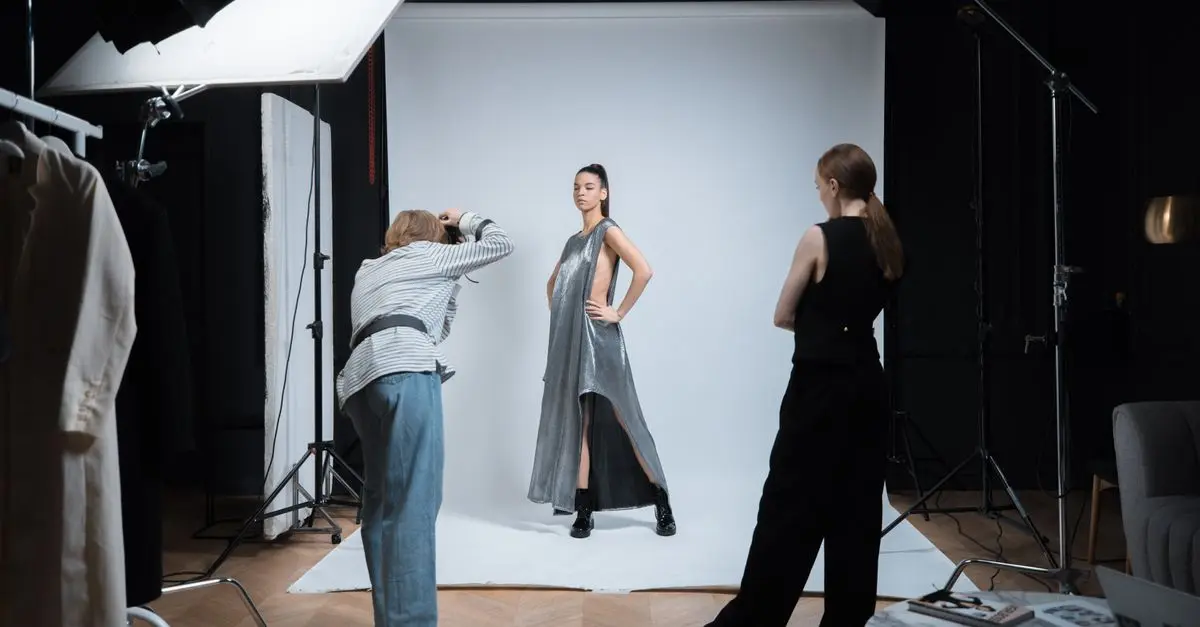
In the vibrant world of fashion and art, the basics of modelling serve as the foundation for aspiring individuals looking to carve a niche in this industry. Modelling is not merely about standing in front of a camera or walking on a runway; it encompasses various skills and understandings that are crucial for success. This guide aims to elucidate the fundamental concepts and essential information every aspiring model should be aware of.
What is Modelling?
Modelling, at its core, represents the art of presenting an idea or concept visually. Whether it’s through photography, fashion, or other mediums, models play a pivotal role in helping brands communicate their messages effectively. Generally, there are various forms of modelling, including fashion, commercial, plus-size, and fitness modelling, each catering to different audiences and industries.
The main objective of a model is to embody the essence of the brand they represent, portraying specific emotions and aesthetics through their poses and expressions. Furthermore, according to a study by UFC-Que Choisir, visual representation is a key factor influencing consumer decisions, highlighting the crucial role that modelling plays in advertising and marketing.
Steps to Starting Your Modelling Journey
Embarking on a modelling career can seem daunting, but breaking it down into manageable steps can simplify the process. Here’s a basic guide on how to start:
- Research the Industry – Understanding the different types of modelling and what each entails is essential. Read articles, follow industry professionals on social media, and watch educational videos.
- Build Your Portfolio – A modelling portfolio is a collection of your best photographs that showcase your versatility. Investing in a professional photoshoot can significantly enhance your portfolio.
- Find Agency Representation – While some models succeed by freelancing, finding a reputable modelling agency can provide you with valuable connections and resources. Research various agencies and apply to those that align with your fashion style and vision.
- Practice – Whether it’s learning how to pose or improving your catwalk, practice is key. Consider weekly sessions in front of the mirror or joining workshops.
- Networking – Build relationships within the industry. Attend events, engage on social media, and reach out to photographers and stylists.
Comparison of Modelling Types
| Modelling Type | Description | Target Audience | Skills Required |
|---|---|---|---|
| Fashion Modelling | Walks runways or poses for photoshoots | High fashion brands | Catwalk, posing, confidence |
| Commercial Modelling | Represents products in ads | General public | Strong appeal, approachability |
| Plus-Size Modelling | Focuses on plus-size fashion | Curve-conscious consumers | Body positivity, showcasing style |
| Fitness Modelling | Represents activewear and fitness brands | Fitness enthusiasts | Athletic physique, strong poses |
Successful modelling requires a diverse set of skills. Here are some key competencies to focus on:
- Posing Techniques: Knowing how to pose in front of the camera is essential. Understanding angles and how your body looks will enhance your photographs.
- Expressive Skills: Models should be able to convey emotions through facial expressions, which can vary from serious to joyful depending on the shoot.
- Physical Fitness: Maintaining physical fitness is crucial for modelling, as it affects your overall appearance and confidence.
- Communication Skills: Being able to communicate effectively with photographers, directors, and clients ensures smooth collaboration during shoots.
FAQs about Modelling
Q1: Do I need to have prior experience to become a model?
A: No, many successful models start with little to no experience. Building a portfolio and taking workshops can help you get started.
Q2: Is it necessary to be a certain size or height to model?
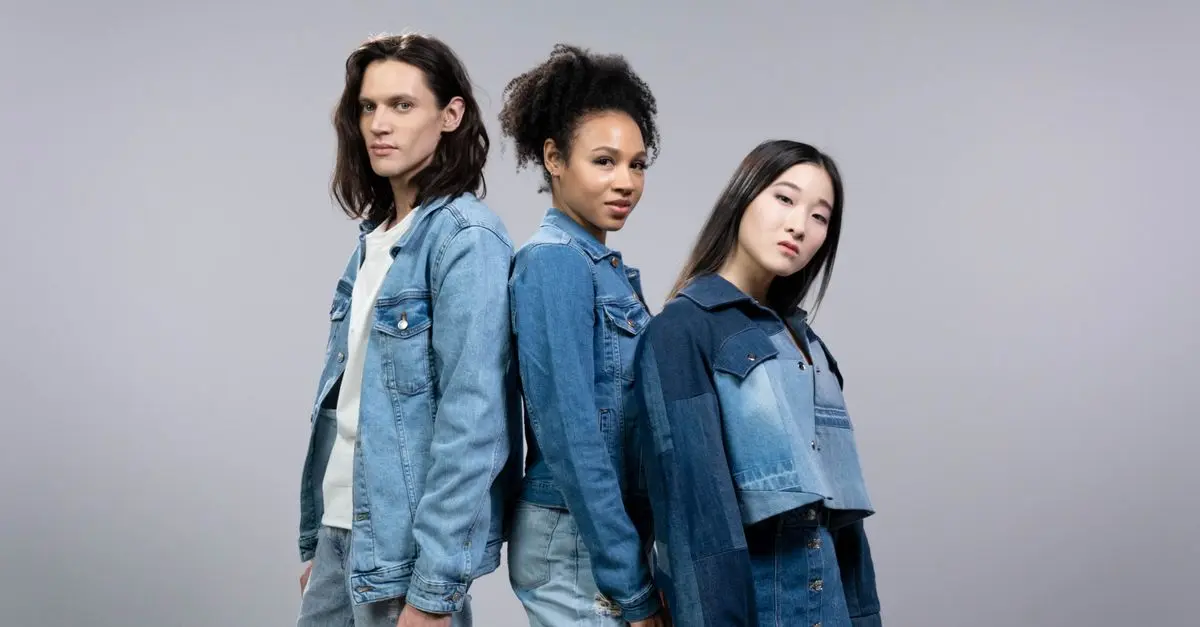
A: While traditional fashion modelling often has height and size requirements, the industry is increasingly embracing diversity, including plus-size and petite models.
Q3: How long does it take to become a successful model?
A: The time varies for everyone, depending on various factors including dedication, networking, and opportunities that arise.
Q4: What should I include in my modelling portfolio?
A: Your portfolio should include a variety of images that showcase different styles and poses, emphasizing versatility.
💡 Expert Opinion:
> “Modelling is as much about confidence as it is about looks. A solid understanding of your unique strengths can set you apart in a competitive industry.”
Checklist before Starting Modelling
- [ ] Research the different types of modelling
- [ ] Create your modelling portfolio
- [ ] Apply to reputable modelling agencies
- [ ] Join workshops to enhance your skills
- [ ] Attend networking events in the industry
Glossary
| Term | Definition |
|---|---|
| Portfolio | A collection of a model's best images showcasing their versatility and style. |
| Agency | An organisation that represents models and helps them find work. |
| Catwalk | A runway where models walk to showcase clothing designs. |
📺 For Further Insights:
Explore the journey of modelling success and tips, search YouTube for: "modelling tips for beginners 2026".
In conclusion, master the basics of modelling to lay a strong foundation for your future in this exciting field. We have selected several products adapted to support your journey; discover our recommendations below!
📺 Pour aller plus loin : modelling tips for beginners 2026 sur YouTube
Recommended products
Selected by our experts