Contents (10 sections)
What are Modelling Genres?
Modelling genres refer to the various categories or styles within the modelling industry, each with its unique characteristics and demands. Understanding these genres is crucial for aspiring models as it helps them find their niche based on personal interests, skills, and market demand. The modelling industry encompasses a wide range of genres, including fashion, commercial, plus-size, fitness, and alternative modelling, among others. Each genre not only has different expectations but also varies in terms of training, portfolio requirements, and job opportunities.
The importance of knowing these genres extends beyond mere categorisation. Aspiring models can tailor their training and portfolio to match the specific demands of their chosen genre. For instance, a commercial model might focus on friendly and approachable expressions, while a high-fashion model may need to embody more avant-garde and edgy aesthetics. It is essential to research each genre thoroughly to ensure that the chosen path aligns with one's strengths and aspirations.
Different Types of Modelling Genres
There are numerous genres within the modelling industry, each catering to different audiences and purposes. Here are some of the most prevalent modelling genres:
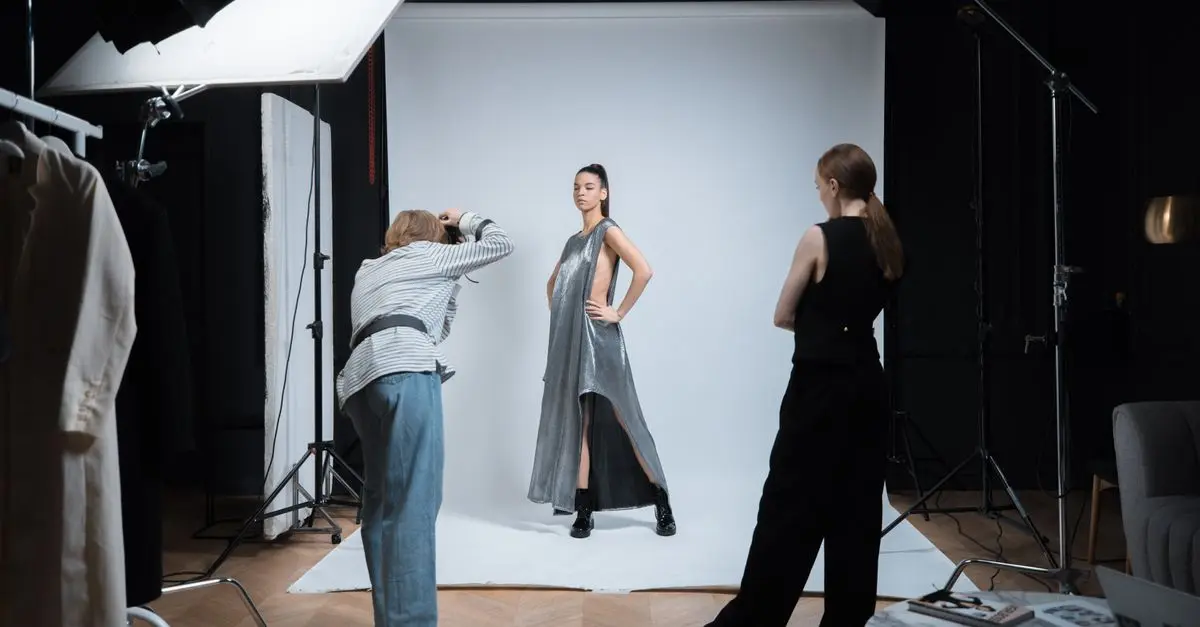
- Fashion Modelling: This genre usually involves runway and editorial modelling for designers and high-fashion brands. Fashion models often have specific requirements regarding height and body shape, as they are expected to showcase the latest trends on runways or in magazines.
- Commercial Modelling: A versatile genre where models appear in advertisements, brochures, and other commercial materials. Commercial models can represent a diverse range of products and brands, making this genre more accessible.
- Plus-Size Modelling: This genre celebrates body diversity and involves models who typically wear sizes 12 and above. The plus-size modelling industry has seen significant growth over the years, as brands increasingly recognise the importance of inclusive representation in advertising.
- Fitness Modelling: Often sought after by fitness brands and companies, fitness models must maintain a toned physique and demonstrate an active lifestyle. This genre not only focuses on appearance but also reflects health and wellness.
- Alternative Modelling: Covering a range of unconventional looks, this genre includes models with tattoos, piercings, or unique features. Alternative modelling embraces a wide variety of styles and creative expressions.
By understanding these genres, aspiring models can effectively navigate their career paths and align their training and self-presentation accordingly.


Nothing Headphone (1) Headset Wired & Wireless Head-band Calls/Music USB Type-C Bluetooth Black White
Quzo UK
How to Choose the Right Modelling Genre
Choosing the right modelling genre is a personal journey that involves self-discovery and understanding the market dynamics. Here are some steps to help you identify which genre may suit you best:
- Assess Your Strengths: Reflect on your unique features, personality traits, and physical attributes. Consider how these elements might serve you in different modelling genres. For instance, models with strong fitness backgrounds may find a fitting niche in fitness modelling.
- Explore the Market: Research the demand for various modelling genres in your area or desired market. Some genres may have more opportunities in specific regions or demographics, impacting your decision.
- Network with Professionals: Engaging with professionals in the modelling industry can provide you with insider insights. Attend modelling workshops, become part of local modelling groups, or connect through social media to gather advice.
- Try Different Genres: If unsure, consider stepping into different modelling roles. This allows you to experiment and gauge where you feel most comfortable and successful.
- Build a Targeted Portfolio: Once you've settled on a genre, focus on creating a portfolio that complements it. This includes working with photographers who specialise in that area and tailoring your images accordingly.
By following these steps, aspiring models can make informed decisions that align with their interests and skills.
Comparative Analysis of Modelling Genres
A comparison of the various modelling genres can provide valuable insights into their distinct characteristics. Here is a table summarising some key aspects:
| Genre | Audience | Requirements | Opportunities |
|---|---|---|---|
| Fashion Modelling | High fashion brands | Height, specific sizes | Runway shows, editorial shoots |
| Commercial Modelling | General public | Versatility, approachability | Advertisements, magazines |
| Plus-Size Modelling | Diverse audiences | Acceptance of body diversity | Campaigns, fashion shows |
| Fitness Modelling | Fitness enthusiasts | Toned physique, active lifestyle | Fitness brands, health magazines |
| Alternative Modelling | Niche markets | Unique looks, creativity | Specialty campaigns, art projects |
Expert Insights on Modelling Genres
💡 Expert Opinion: According to industry experts, understanding different modelling genres is crucial for career success. Models are encouraged to remain adaptable and open to various genres as trends evolve. The demand for diverse representations continues to grow, so finding a niche that aligns with personal creativity and authenticity can lead to a sustainable career in modelling.
Many modelling agencies suggest starting with a strong foundation in one genre while remaining open to opportunities in others. This approach can help models build their skills and reputation, making them more marketable in a competitive industry.
Frequently Asked Questions
Q: What are the most popular modelling genres?
A: Some of the most popular genres include fashion, commercial, plus-size, and fitness modelling.
Q: Do I need a specific body type for commercial modelling?
A: Commercial modelling generally embraces diverse body types, focusing more on the ability to represent brands effectively.
Q: How can I get started in the modelling industry?
A: Start by building a portfolio, networking with industry professionals, and attending modelling workshops to enhance your skills.
Q: Is it necessary to have an agent to model?
A: While not strictly necessary, having an agent can help you find opportunities and negotiate contracts, particularly in competitive genres.

Nothing Headphone (1) Headset Wired & Wireless Head-band Calls/Music USB Type-C Bluetooth Black
Back to the Office

Nothing Headphone (1) Headset Wired & Wireless Head-band Calls/Music USB Type-C Bluetooth Black
Quzo UK

Nothing Headphone (1) Headset Wired & Wireless Head-band Calls/Music USB Type-C Bluetooth Black, White
Back to the Office
Glossaire
| Terme | Définition |
|---|
| Modèle de mode | Un individu qui représente des vêtements ou des accessoires dans l'industrie de la mode.
| Agente | Un représentant qui aide les modèles à trouver des emplois et à gérer leur carrière.
| Portfolio | Une collection de photos représentant le travail d'un modèle, essentielle pour postuler à des rôles.
Checklist avant achat
- [ ] Identifiez vos forces et caractéristiques
- [ ] Recherchez les genres de modélisation
- [ ] Connectez-vous avec des professionnels
- [ ] Créez un portfolio ciblé
- [ ] Expérimentez avec différentes genres
📺 Pour aller plus loin : Understanding Modelling Genres, une analyse complète de la diversité des genres en modélisation. Recherchez sur YouTube : "modelling genres 2026".
Nous avons sélectionné plusieurs produits adaptés pour vous aider à démarrer dans votre carrière de modélisation. Découvrez nos recommandations ci-dessous.
📺 Pour aller plus loin : modelling genres 2026 sur YouTube
Recommended products
Selected by our experts