Contents (9 sections)
In the expansive field of modelling, understanding the various genres is crucial for those aspiring to carve out a successful career. The world of modelling encompasses numerous opportunities, each with its distinct characteristics and requirements. This guide aims to shed light on these different modelling genres, helping individuals identify which path aligns best with their skills and aspirations.
What Are Modelling Genres?
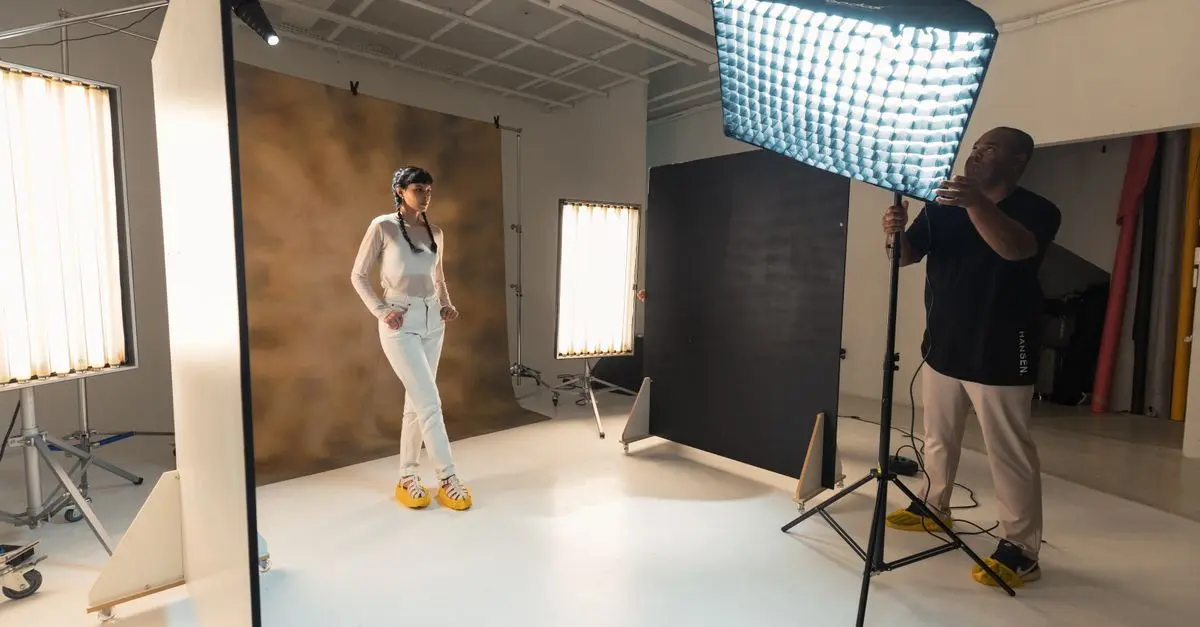
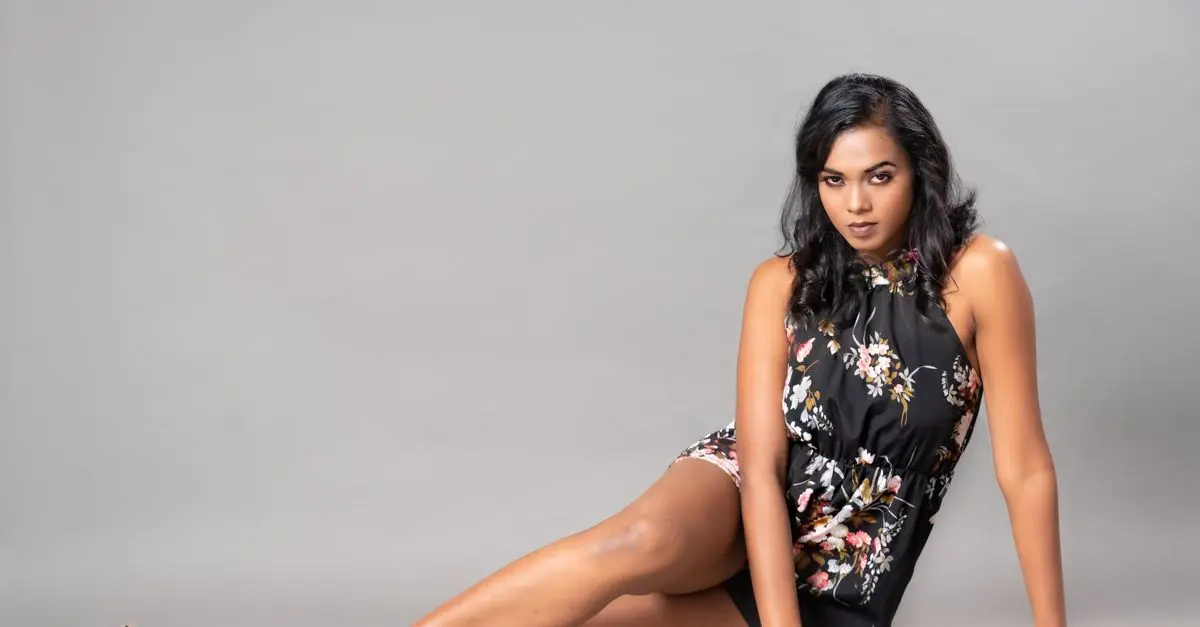
Modelling genres refer to the specific categories within the modelling industry, each focusing on different aspects of representation and artistry. These genres can vary significantly in style, target audience, and market demands. Common modelling genres include fashion modelling, commercial modelling, plus-size modelling, and fitness modelling, among others. Understanding these categories is essential because they not only influence the type of work you might do but also the preparation and training needed to succeed in each area.
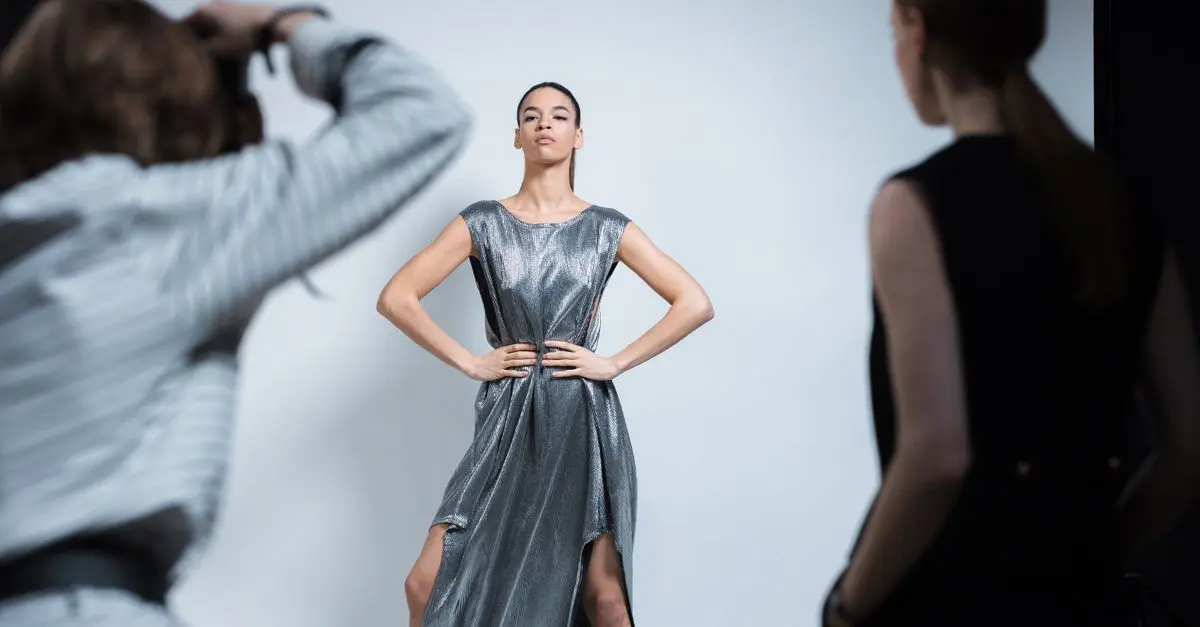
For instance, fashion modelling typically involves high-end clothing, runway shows, and editorial shoots aimed at showcasing the latest fashion trends. On the other hand, commercial modelling focuses on advertising products or services aimed at the general public, requiring models who can effectively communicate a brand's message. According to research by The British Fashion Council, the prevalence of digital platforms has broadened the audience for various modelling genres, leading to a more diverse representation than ever before.
How to Choose the Right Modelling Genre
Selecting the appropriate modelling genre for your career involves several considerations. Firstly, assess your physical attributes and how they align with the demands of specific genres. For example, high fashion modelling often requires taller heights and specific body proportions, whereas commercial modelling is generally more inclusive regarding body shapes and sizes.
Additionally, consider what type of work excites you. If you have a passion for clothing and fashion trends, pursuing a career in fashion modelling may be fulfilling. Alternatively, if you enjoy promoting everyday products, commercial modelling might be a better fit. Conducting a self-assessment of your strengths and weaknesses can also provide clarity on which genre you excel in. Engagement in various activities, such as modelling classes, can offer insights into your natural aptitude and enthusiasm for each genre.
Comparison of Modelling Genres
Here's a comparison table detailing the key differences between three popular modelling genres:
| Genre | Target Audience | Key Skills Required | Typical Work Environment |
|---|---|---|---|
| Fashion Modelling | High-end fashion | Photogenic, runway experience, poses | Fashion shows, photoshoots |
| Commercial Modelling | General public | Versatility, approachability | Advertisements, catalogues |
| Plus-size Modelling | Inclusive fashion | Confidence, strong personality | Fashion campaigns, events |
Market Trends in Modelling Genres
Recent trends indicate a significant shift in the modelling landscape. The rise of social media and digital platforms has transformed how models are discovered and marketed. A study conducted in 2026 by Statista reported a 42% increase in visibility and hiring opportunities for models showcasing unique or diverse appearances. This trend has prompted brands to embrace authenticity and relatability, particularly in commercial modelling.
Moreover, the integration of technology, such as virtual modelling and augmented reality, has created new avenues for models to showcase their skills. As the industry continues to evolve, staying informed about trends in various genres will be crucial for aspiring models. Continuous education and adaptation are key to thriving in this dynamic environment.
Expert Insights
💡 Expert Opinion: According to modelling coach Emily Santos, understanding your unique selling points is critical in choosing the right modelling genre. "It's essential to identify what makes you stand out and leverage that in your chosen path. For instance, if you have an engaging social media presence, consider commercial or influencer modelling as viable career options." This type of self-awareness and strategic thinking can significantly impact your modelling career trajectory.
Q1: What are the main types of modelling?
A1: The main types of modelling include fashion, commercial, plus-size, child, and fitness modelling, each catering to different markets and audiences.
Q2: Do I need any qualifications to become a model?
A2: While formal qualifications are not mandatory, training in acting, public speaking, or modelling workshops can enhance skills and increase employability.
Q3: Is it necessary to join an agency to start a modelling career?
A3: Joining a modelling agency can provide access to more job opportunities and professional guidance, though independent modelling is also possible.
Q4: What are the challenges faced in modelling?
A4: Modelling can be highly competitive, with challenges including rejection, maintaining physical appearance, and fluctuating job stability.
Glossary
| Terme | Définition |
|---|---|
| Fashion Modelling | Modelling focused on high-end fashion, typically requiring a specific look or height. |
| Commercial Modelling | Modelling aimed at promoting products to the general public, often more inclusive. |
| Plus-size Modelling | Modelling that represents larger body types, promoting diversity in the industry. |
For those eager to explore modelling further, we have selected several products tailored for aspiring models. Check our recommendations below!
📺 Pour aller plus loin : Understanding Modelling Genres, a deep dive into the different types of modelling careers. Search on YouTube: "modelling genres career paths 2026".
📺 Pour aller plus loin : Modeling in 2026: What You Must Do to Get Signed sur YouTube
Recommended products
Selected by our experts