Contents (11 sections)
Creating a captivating modelling portfolio is a vital step for any aspiring model. This guide will walk you through the essential steps required to build a portfolio that not only reflects your personal brand but also catches the eye of agents.
1. Understanding the Purpose of a Modelling Portfolio
Before diving into the construction of your modelling portfolio, it is crucial to understand its purpose. A modelling portfolio serves as a visual resume that showcases your photographic work, versatility, and unique personality. According to industry experts, a well-crafted portfolio can significantly enhance your chances of being noticed by modelling agencies and potential clients.
The primary goal of your portfolio is to communicate your range as a model. This includes demonstrating your ability to portray different looks and styles suited to various types of modelling work such as fashion, commercial, or editorial. Think of your portfolio as the first impression potential agents and clients will have of you. In fact, statistics suggest that nearly 70% of modelling jobs are won by models whose portfolios stand out (Source: Les Numériques). Therefore, investing time in creating a strong foundational portfolio is imperative.
2. Step-by-Step Guide to Building Your Portfolio
Building a modelling portfolio involves several meticulously tailored steps. Here’s a thorough breakdown:
Step 1: Curate Your Best Photos
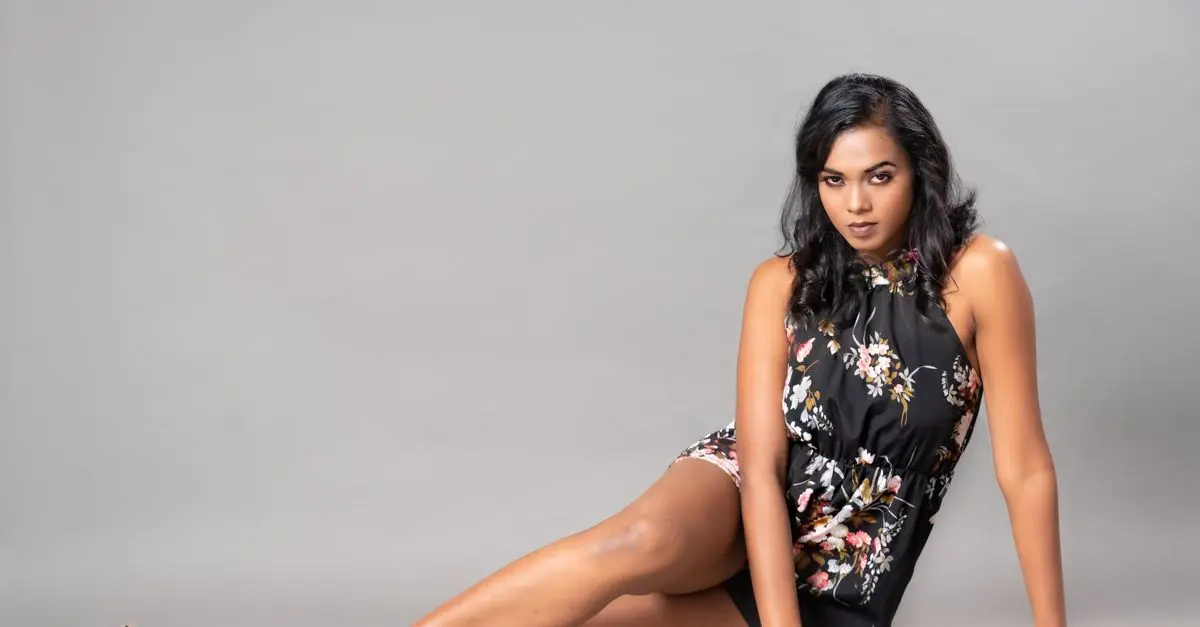
Start by selecting high-quality images that represent your body of work. Choose a mix of editorial, commercial, and lifestyle shots that showcase your versatility and ability to adapt to different styles and settings. Avoid including too many similar shots; the aim is to highlight a variety of looks.
When curating your images, consider seeking feedback from industry professionals or trusted friends who can provide constructive criticism. This is crucial, as they may see strengths and weaknesses that you might overlook.
Step 2: Choose the Right Format
Deciding whether to create a physical or digital portfolio is another essential component. While physical portfolios can be impressive in-person during castings, digital portfolios can reach a wider audience online.
If you opt for a digital portfolio, consider using platforms specifically designed for models. These platforms often provide templates and the ability to showcase your work optimally. However, if you prefer a physical portfolio, ensure it is of high quality, incorporating durable materials that protect your images, such as leather-bound portfolios or professional-grade pouches.
3. The Importance of Professional Photography
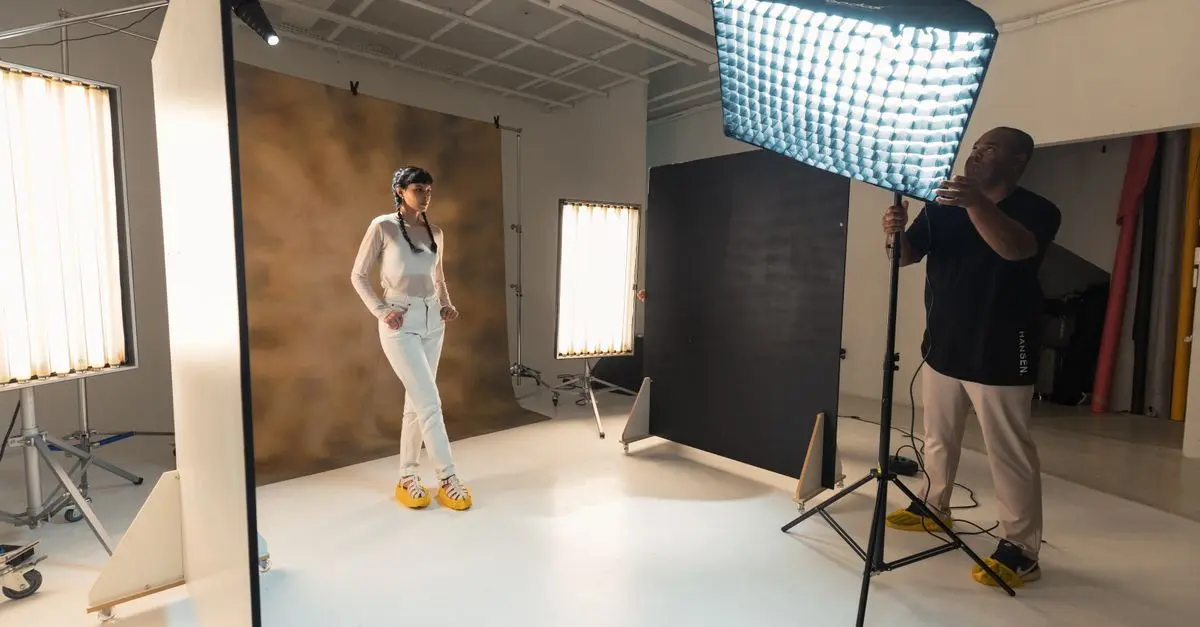
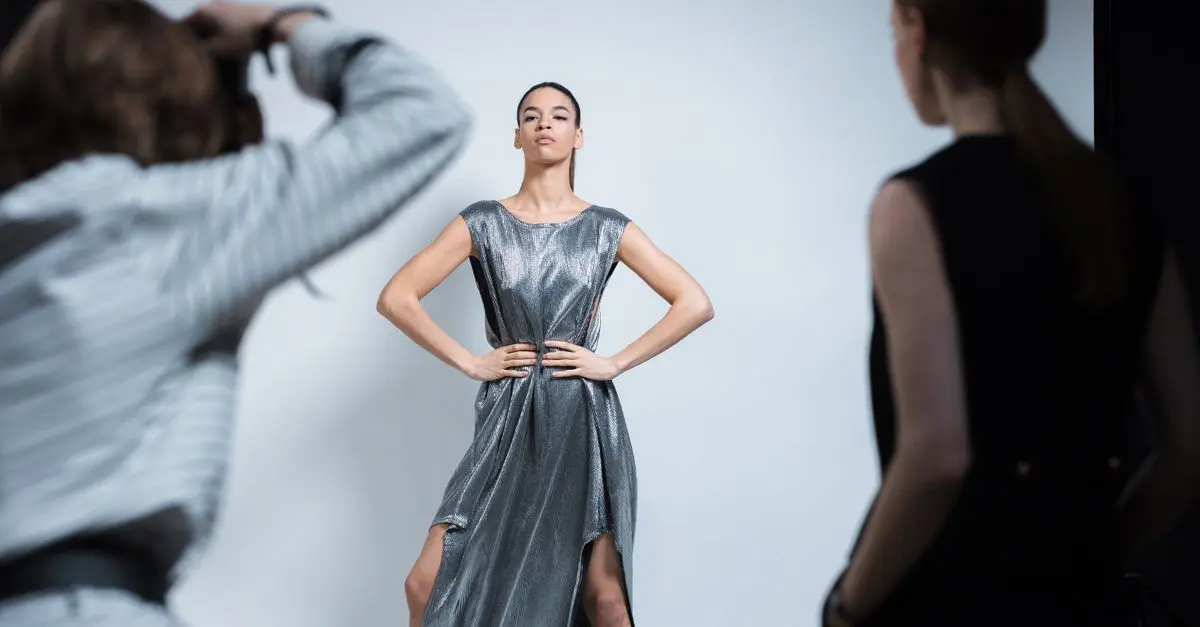
Engaging a professional photographer can be a game-changer for your modelling portfolio. A professional will not only provide high-quality images but can also guide you in terms of poses, expressions, and styling that fit the current trends in modelling. It is important to choose a photographer with experience in the modelling industry, as they will understand how to capture the essence of your style.
During your shoot, collaborate with your photographer to explore different poses and expressions, reflecting your unique personality. Remember that diverse lighting and locations can greatly enhance the mood of your images. For instance, outdoor shoots during golden hour often yield stunning results.
4. Create a Strong Presentation
Once you have great images, the next step is to present them effectively. This involves arranging your photos in a way that tells a story about your modelling journey. Start with your best images to catch attention immediately.
Many successful models recommend including contact information and a brief bio on your portfolio’s first page, outlining your interests in modelling and previous experience. This personal touch can make a significant difference, as agents often appreciate the context behind the images they are viewing. Consider using simple, elegant layouts that enhance rather than distract from your images.
5. Avoid Common Mistakes
While creating your portfolio, it is essential to avoid certain pitfalls that can make it less effective. Here are a few common mistakes:
- Overloading with Photos: Including too many images can dilute the impact of your portfolio. Stick to about 15-20 images that best represent your range.
- Ignoring Updates: The modelling industry evolves rapidly, and so should your portfolio. Regularly update it with new images, keeping it fresh and relevant.
- Neglecting Personal Branding: Reflect your personality and style throughout the portfolio. Agents are looking for models with a unique brand that stands out.
Checklist before Publishing Your Portfolio:
- [ ] Curate your selection of images (15-20 max)
- [ ] Decide on a digital or physical format
- [ ] Hire a professional photographer (if applicable)
- [ ] Design an appealing layout
- [ ] Include contact and bio details
- [ ] Proofread all text for clarity
📺 Resource Video
> 📺 For further insights: Watch “Creating a Modelling Portfolio: Key Tips for Success” for a detailed overview. Search on YouTube for “modelling portfolio guide 2026”.
- What is the best way to present a modelling portfolio?
The best presentation approach combines a mixture of high-quality images arranged to depict your modelling versatility, accompanied by a concise bio and your contact details.
- How often should I update my modelling portfolio?
It is advisable to update your portfolio every 6-12 months or as you acquire new work that showcases your growth.
- How many photos should I include in my portfolio?
Aim for 15-20 carefully chosen images that highlight your range and talents.
- Do I need a professional photographer for my portfolio?
While it's not strictly necessary, hiring a professional photographer significantly improves the quality of your portfolio images, making them more appealing to agents.
Glossary
| Terme | Définition |
|---|---|
| Modèle | Personne qui pose pour des photographes, artistes ou marques, souvent dans le cadre de la mode ou de la publicité. |
| Portfolio | Collection de travaux, généralement photographiques, présentée pour montrer les compétences et la diversité d'un modèle. |
| Photographe de mode | Spécialiste de la photographie qui se concentre sur le style, le look et l'esthétique de la mode dans son travail. |
Recommended Products
- - - - - - ---
📺 Pour aller plus loin : How to Build a Model Portfolio That Will Book You Jobs sur YouTube
Recommended products
Selected by our experts