Contents (9 sections)
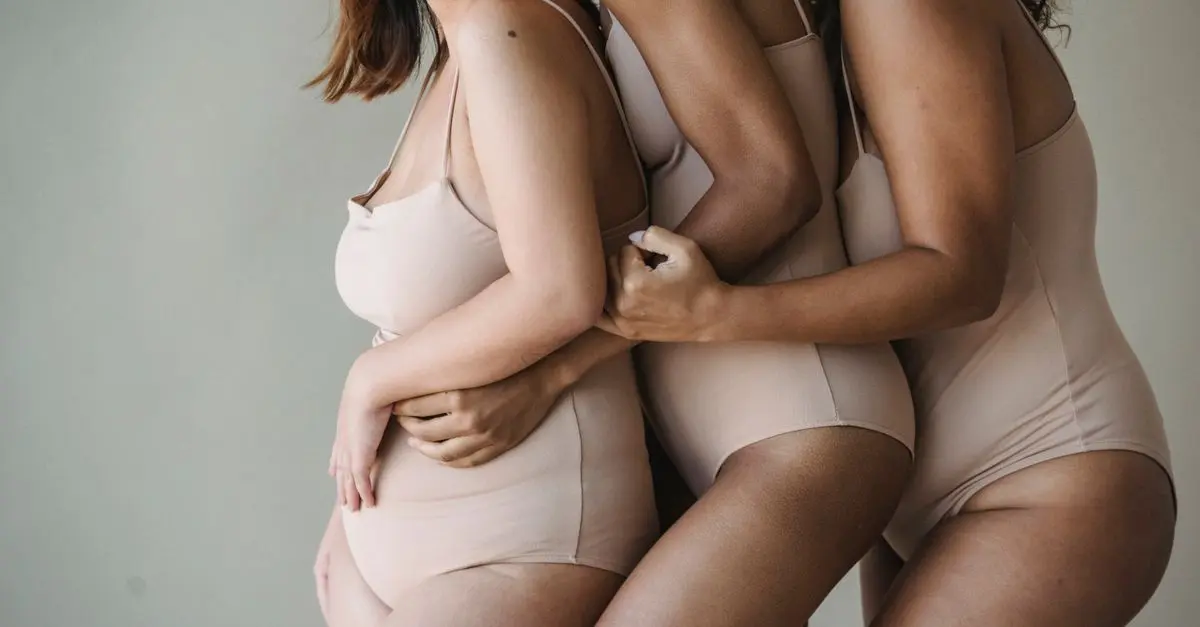
Body positivity in modelling has emerged as a crucial movement advocating for the acceptance of all body types. Traditionally, the modelling industry has been scrutinised for promoting narrow beauty standards that often exclude diverse body shapes and sizes. Body positivity is not merely about self-acceptance; it encompasses a broader cultural shift towards inclusivity, challenging societal norms and redefining beauty.
The term 'body positivity' originated in the 1960s and has since gained traction, especially in the context of the fashion and modelling industry. This movement seeks to counteract the negative effects of body shaming and the unrealistic ideals perpetuated by media and advertising. According to a study by the American Psychological Association, exposure to idealised body images can significantly impact one's self-esteem and body image, leading to mental health issues. In response, the industry is witnessing a revolution where brands and agencies are beginning to embrace models of various sizes, ages, and backgrounds to reflect the true diversity of consumers.
Positive role models like Ashley Graham and Lizzo have significantly influenced this transformation by advocating for self-love and representation. Their visibility in media campaigns not only challenges traditional beauty standards but also promotes the idea that beauty is subjective and can be found in various forms.
The Impact of Body Positivity on Modelling
The impact of body positivity on the modelling industry has been profound, leading to important changes in how models are cast and portrayed. Major fashion weeks have begun to feature plus-size models, challenging the longstanding norm that limited runway representation to a specific body type. Designers such as Christian Siriano and Erdem have actively included diverse bodies in their shows, showcasing the fact that beauty is not confined to a single norm.
A pivotal shift occurred in the late 2010s when brands started recognising the purchasing power of diverse audiences. Research conducted by Deloitte highlights that almost 70% of women feel better about themselves when they see diverse body types in advertising. As a result, many brands have started to adopt inclusive marketing strategies, recognising that consumers respond more positively to authenticity.
A notable example is Aerie, a brand that has gained immense popularity for its #AerieREAL campaign, which features unretouched photographs of models. This initiative has not only driven sales but has also positioned Aerie as a leader in promoting body positivity. Consequently, it has shifted the industry's focus toward encouraging brands to adopt similar practices in a bid to connect more authentically with their audience.
Challenges Facing the Body Positivity Movement
Despite the advancements, the body positivity movement in modelling faces various challenges. Critics argue that while some progress has been made, much of the industry still lacks genuine representation. Furthermore, the term 'body positivity' has sometimes been co-opted as a marketing strategy rather than a true commitment to inclusivity.
Additionally, the digital age has contributed to the saturation of idealised body images on social media, complicating the narrative around body positivity. Platforms like Instagram can amplify unrealistic body standards. According to a survey by the Royal Society for Public Health, 70% of young people express that social media has negatively affected their body image. Thus, while the industry may be embracing diversity, the societal pressures surrounding body image persist.
To address these challenges, industry stakeholders must work collaboratively alongside mental health professionals to create programmes that promote self-esteem and provide support for models facing body image issues. This partnership could facilitate a better understanding of the psychological implications of modelling work and foster an environment that genuinely celebrates all body types.


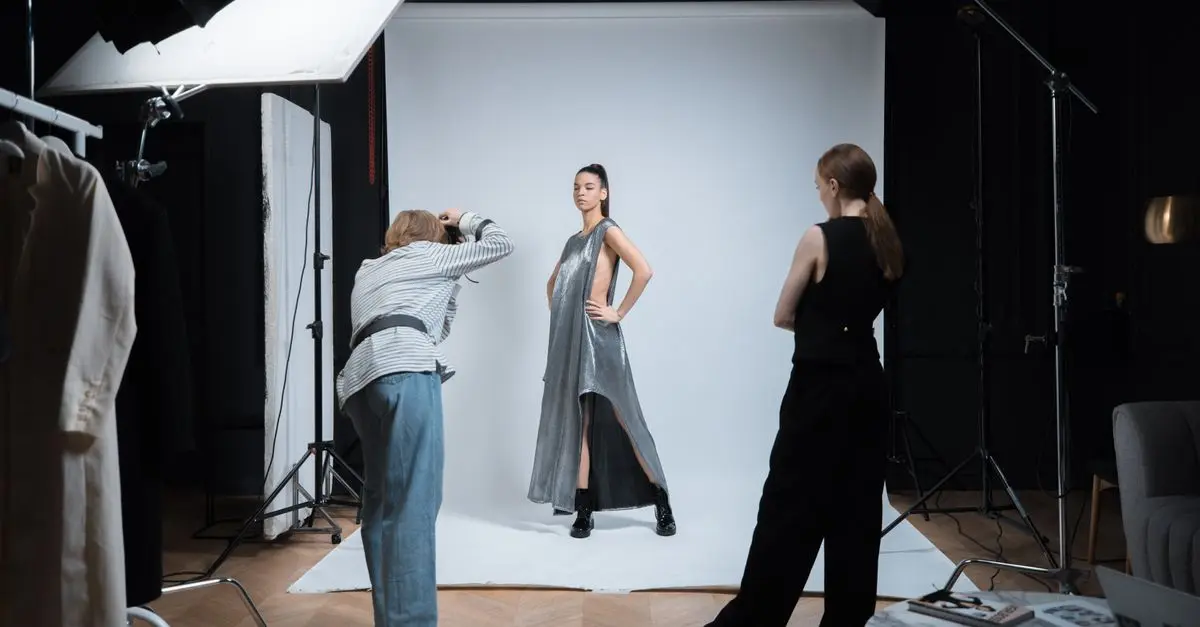
Godox MS300-V Studio Flash with LED Modelling Lamp- Photography~~Lighting & Studio~~Studio Lights & Flashes
parkcameras.com
Future Trends in Body Positivity and Modelling
Looking forward, the body positivity movement is poised to influence future trends in the modelling industry. There is a strong push for a more dynamic representation of beauty that embraces imperfections and real bodies. For instance, beyond size, the focus is also shifting towards incorporating models of various abilities, ages, and ethnic backgrounds to reflect society accurately.
Moreover, technological advancements in fashion are influencing how the industry approaches body positivity. Augmented reality (AR) and virtual reality (VR) are now being harnessed to create more personalised shopping experiences that cater to diverse body types. Brands are developing apps that allow consumers to see how clothing looks on different body shapes, promoting a more inclusive shopping experience.
In addition, advocacy for change is becoming a crucial element as more models are using their platforms to speak out about inclusivity. This advocacy is essential for maintaining momentum within the body positivity movement and ensuring that diverse representation is not just a trend but a sustained commitment.
📺 Ressource Vidéo
> Explore the Evolution of Body Positivity in Modelling, a thorough analysis of the rise and complexities of body positivity in the fashion realm. Search on YouTube: Evolution of body positivity in modelling.
Expert Opinion
> 💡 Avis d'expert : "The body positivity movement can significantly impact societal perceptions of beauty. By promoting diversity within the modelling industry, we encourage future generations to embrace their uniqueness and redefine beauty standards, ensuring health and self-acceptance prevail over unrealistic ideals." - Dr Emily Fitzpatrick, Clinical Psychologist.
Glossaire
| Terme | Définition |
|---|---|
| Body Positivity | Un mouvement socioculturel qui encourage l'acceptation de tous les types de corps. |
| Inclusivité | La pratique d'intégrer diverses identités, tailles et origines dans les espaces médiatiques et commerciaux. |
| Estime de soi | La valeur qu'une personne se donne, souvent influencée par les standards de beauté et de succès sociétaux. |

Checklist avant achat
- [ ] Vérifier la taille adaptée
- [ ] Considérer la diversité de la marque
- [ ] Évaluer la qualité de fabrication
- [ ] Examiner les critiques d'autres consommateurs
- [ ] Vérifier la politique de retour
- [ ] Analyser l'impact social de la marque
📺 Pour aller plus loin : Evolution of body positivity in modelling sur YouTube
Recommended products
Selected by our experts