Contents (9 sections)
Creating a modelling portfolio is a pivotal step for any aspiring model, as it serves as your personal advertising tool. In today’s competitive market, it's essential to present a portfolio that not only showcases your versatility but also highlights your unique talents and personality. This comprehensive guide walks you through the process of building an engaging and effective modelling portfolio that will appeal to agencies and clients alike.
Step 1: Understand the Basics of a Modelling Portfolio
A modelling portfolio is a carefully curated collection of your best photographs that showcase your modelling skills and versatility. Typically, it includes various types of images, such as headshots, full-body shots, and thematic photoshoots. According to experts in the industry, the quality of the photographs matters significantly; high-resolution images taken by professional photographers can make a lasting impression. It's beneficial to consider different styles, including fashion, commercial, swimwear, and editorial, depending on your strengths and the niche you want to target. Additionally, it’s essential to keep your target audience in mind while assembling your portfolio, as different modelling sectors may require varying approaches.
Step 2: Gather Professional Images
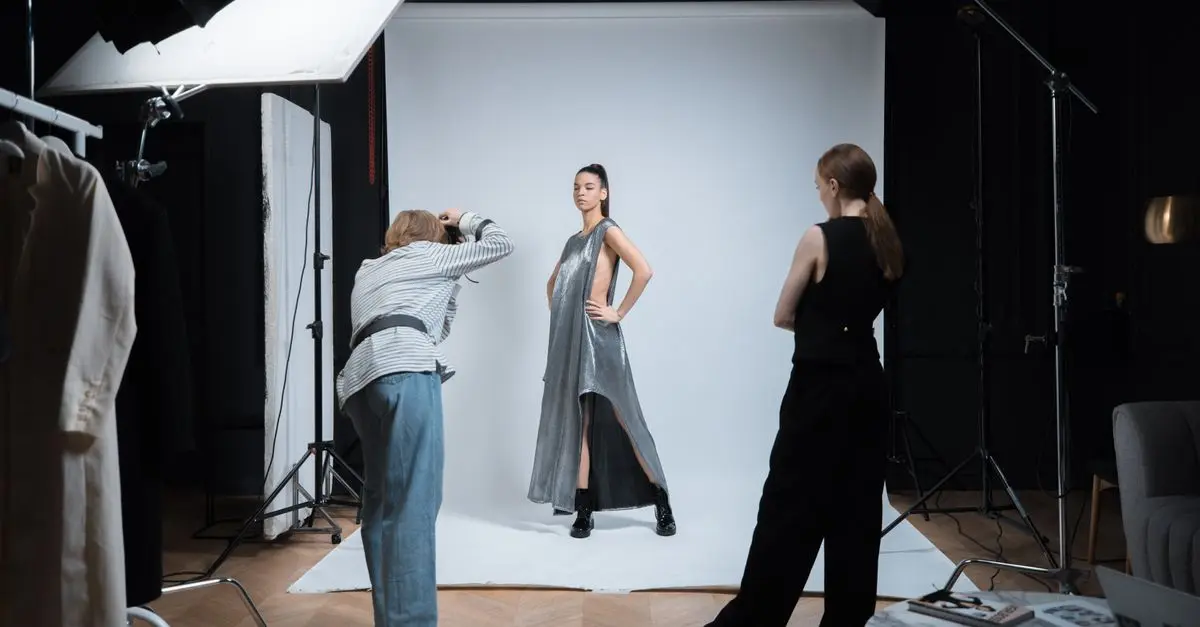
Once you've understood the essentials of a modelling portfolio, the next step is to gather professional images. Collaborate with experienced photographers who can guide you and enhance your portfolio’s quality. Aim for a mixture of different looks, poses, and outfits in your photos. For example, featuring images in both casual wear and formal attire can demonstrate your range as a model. Remember to invest in a few high-quality photoshoots; UFC-Que Choisir recommends a minimum of 10–15 professional photos for a robust portfolio. While you might be tempted to include as many images as possible, it’s crucial to pick only the strongest shots that represent your ability.

Large Zip A4 Portfolio Pouch - Capra Large Zip A4 Portfolio Pouch - Capra - 26.5(h) x35(w) x 3(d) cm - Black - Cp2126bej
Case Luggage

Acer Chromebook Tab 311 D723N - 11" WUXGA Touchscreen, MediaTek Kompanio 520, 8GB, 128GB, Portfolio Keyboard and Active Stylus Tablet
Back to the Office
Step 3: Curate Your Selection
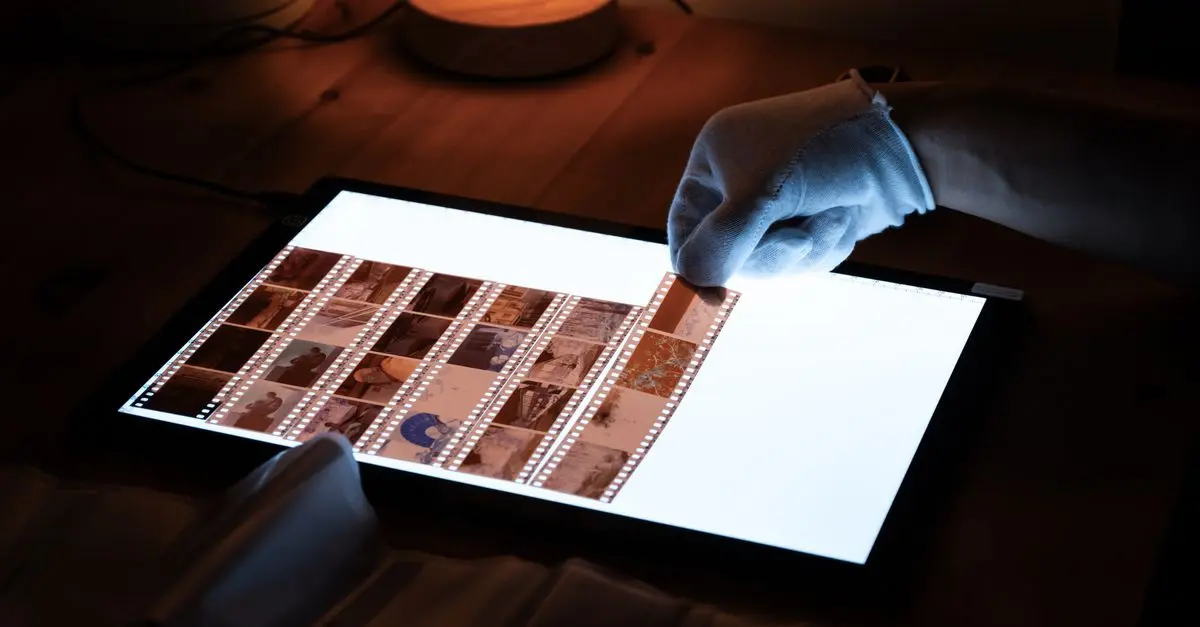
After gathering a pool of professional images, the next step is to curate your selection. This is where you critically assess each photo’s impact, ensuring that only the most striking images make the final cut. Aim for a balanced portfolio that showcases your different looks and styles, ensuring each photograph highlights your unique qualities effectively. A common mistake is including too many images that may dilute the overall impact of your portfolio. Remember, quality trumps quantity — presenting a diverse yet cohesive portfolio is key. Consider seeking feedback from industry professionals or mentors; they can provide valuable insights into which images resonate best.
Step 4: Create a Digital Presence
In 2026, a strong online presence is essential for models. Beyond a printed portfolio, having a well-designed website or social media presence can significantly enhance your visibility. Ensure that your online portfolio mirrors the quality and aesthetic of your physical portfolio. Platforms such as Instagram can be powerful tools for showcasing your work and connecting with potential clients and agencies. Effective use of hashtags, proper tagging, and engaging with your audience can create opportunities within the industry. It's worth noting that many agencies now scout talents directly from social media, so investing time in building your online presence can be incredibly beneficial.
Step 5: Consider Including a Comp Card
A comp card, or composite card, is a business card for models and can serve as an excellent complement to your portfolio. It typically includes a selection of your best images along with your vital statistics — height, measurements, and contact information. This compact representation of your work can be invaluable during casting calls or events. Many agents recommend carrying comp cards at all times to hand out during networking opportunities, allowing potential clients to see your range quickly. Be sure to invest in high-quality printing to ensure your comp cards look professional and visually appealing.
Step 6: Keep Your Portfolio Updated
As your career progresses, it’s essential to keep your portfolio up to date. Replace older images with newer ones that reflect your current look and skills. Regularly refreshing your portfolio ensures that it remains relevant and appealing to agencies and clients. Set a routine for reviewing your portfolio every six months — this will help you stay ahead in the game. Additionally, as fashion trends evolve, so should your portfolio; it’s crucial to stay on top of the latest industry trends and adjust your images accordingly.


Checklist for Building Your Modelling Portfolio
- [ ] Research the types of portfolios in your niche.
- [ ] Collaborate with professional photographers.
- [ ] Select your strongest images for the final cut.
- [ ] Create a digital portfolio and promote it online.
- [ ] Design and print comp cards.
- [ ] Review and update your portfolio regularly.
Glossary
| Terme | Définition |
|---|---|
| Portfolio | A collection of photographs showcasing a model's work. |
| Comp Card | A business card specifically for models, including key images and stats. |
| Casting Call | An event where models audition for specific roles or jobs. |
> 💡 Avis d'expert : Un portfolio réussi doit être une réflexion de qui vous êtes en tant que modèle. Ne négligez pas l'importance de votre personnalité dans vos photos. Un bon photographe saura capturer cela.
📺 Pour aller plus loin : How to Build a Modelling Portfolio, une analyse complète de la création d'un portfolio de modélisation. Recherchez sur YouTube : "how to build a modelling portfolio 2026".
📺 Pour aller plus loin : how to build a modelling portfolio 2026 sur YouTube
Recommended products
Selected by our experts