Contents (14 sections)
Introduction
In the competitive world of modelling, standing out is crucial. Developing your unique modelling style not only enhances your portfolio but also boosts your confidence on the catwalk or in front of the camera. This article serves as a comprehensive guide, providing you with actionable steps to discover and refine your modelling style, ensuring success in your modelling career.
Step 1: Self-Assessment and Inspiration
The first step in developing your unique modelling style involves self-assessment. Take the time to evaluate your personality, body type, and characteristics that make you unique. Consider what types of modelling resonate with you—be it high fashion, commercial, or runway modelling. You might find inspiration from established models whose styles attract you. Observe their poses, expressions, and the way they engage with the camera. Use platforms like Instagram or Pinterest to curate a mood board that reflects the aesthetics you are drawn to. By understanding what appeals to you, you’ll set a solid foundation for your unique modelling style.
Step 2: Experiment with Different Styles
Once you have an idea of what you like, it’s time to experiment with various modelling styles. This could include trying different poses, outfits, and themes in front of the camera. For example, if you lean towards casual streetwear, practice in different urban settings, or if high fashion intrigues you, wear tailored pieces and practice in more sophisticated environments. Experimentation allows you to see what works for you and what doesn’t, helping you hone in on your personal brand. Remember, be open to feedback from photographers or peers, as this constructive criticism can guide you towards refining your style.
Step 3: Develop a Signature Look
After experimenting with different styles, it's essential to develop a signature look that communicates your personal brand. This could be a specific hairstyle, makeup style, or even the type of outfits you prefer. Think about what will set you apart from the competition. According to recent statistics from the British Fashion Council, models with clear, identifiable styles tend to have higher booking rates and can command higher fees. For instance, the continued popularity of minimalistic looks or bold contrasts in fashion highlights the importance of having a unique yet marketable identity in modelling.
Step 4: Focus on Your Portfolio
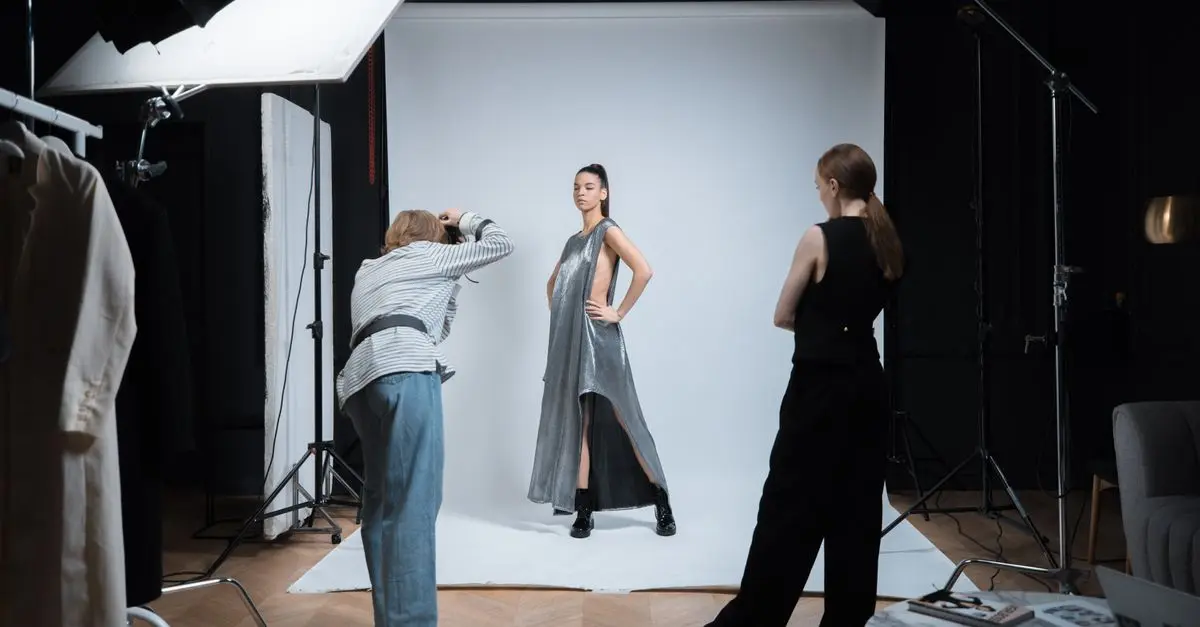
A well-curated portfolio is paramount for any aspiring model. It should reflect your unique modelling style and versatility. Include a variety of photographs showcasing your signature looks, as well as experimenting with different fashion styles. When compiling your portfolio, consider the quality of the images; hire a professional photographer if possible. This is your opportunity to present yourself in the best light—literally and figuratively. Make sure to tailor your portfolio to the type of modelling you wish to pursue. The more tailored it is, the more likely you will attract the right gigs.
Step 5: Networking and Building Your Brand
Networking within the modelling industry can greatly enhance your opportunities. Attend fashion shows, events, and workshops to meet industry professionals and fellow models. Building connections will not only increase your visibility but can also provide you with mentorship opportunities. When engaging with fellow models or photographers, don’t shy away from sharing your unique modelling style. Promote your work on social media; platforms like Instagram allow you to connect with photographers and fashion designers looking for models with a distinctive style. Moreover, collaborating with stylists and makeup artists can offer fresh perspectives and introduce you to new audiences.
Step 6: Continuous Learning and Adaptation
The modelling industry is ever-evolving, with trends and styles constantly changing. To remain relevant and successful, commit to continuous learning and adaptation. Attend workshops, follow fashion blogs, and stay attuned to upcoming trends. Participating in training sessions can improve your skills and keep your portfolio fresh. It’s essential to remain flexible with your modelling style while retaining your uniqueness—don’t be afraid to adapt your signature look as the industry trends shift.
Checklist Recap
- [ ] Conduct a self-assessment to identify strengths and preferences.
- [ ] Experiment with various modelling styles and themes.
- [ ] Develop a signature look that reflects your personal brand.
- [ ] Create a high-quality portfolio showcasing versatility and unique style.
- [ ] Network with industry professionals and fellow artists.
- [ ] Engage in continuous learning to stay updated on trends.
Conclusion
Developing your unique modelling style is an ongoing journey that requires self-reflection, experimentation, and a willingness to adapt. By following these steps, you’ll be well-equipped to carve a niche for yourself in the modelling industry. Remember, the key to success lies in authenticity and the ability to stand out in a crowded marketplace.
Glossary
| Terme | Définition |
|---|---|
| Modelling Portfolio | A collection of photographs that showcases a model's skills and range. |
| Signature Look | A unique style that identifies a model and sets them apart in the industry. |
| Networking in Modelling | Building professional relationships within the industry to enhance opportunities. |
🙋♂️ FAQ

📺 Resource Video
> 📺 For further insights: Exploring Unique Modelling Styles, a detailed analysis of how to find your signature look. Search on YouTube: "how to develop unique modelling style 2026".
Recommended Products
📺 Pour aller plus loin : how to develop unique modelling style 2026 sur YouTube
Recommended products
Selected by our experts