Contents (9 sections)
Creating a strong modelling portfolio is essential for aspiring models looking to attract the attention of agencies and industry professionals. A well-crafted portfolio showcases your versatility, style, and ability to perform in front of the camera. Whether you're starting or enhancing your existing portfolio, understanding the key components and steps involved is critical.
1. Understanding the Purpose of a Modelling Portfolio
A modelling portfolio is a collection of photographs that display a model's range and personality. Its primary purpose is to communicate a model's capabilities to potential clients, photographers, and agencies. The images within your portfolio should not only reflect your unique style but also illustrate your adaptability to various roles and settings.
When creating your portfolio, consider what specific modelling niche you are targeting — fashion, commercial, or editorial. Each niche has its unique needs and expectations. For instance, fashion models need high-fashion editorial shots, while commercial models may benefit from lifestyle images that appeal to a more general audience. By aligning your portfolio with your desired niche, you enhance your chances of attracting the right opportunities.
2. Collecting High-Quality Images
The next step in building your modelling portfolio involves collecting high-quality images. Aim for a mix of images that showcase different looks, emotions, and settings. It's crucial to invest in professional photographs, as high-quality images can make or break your portfolio.
Consult with a professional photographer who understands the modelling industry to ensure the shoot is aligned with your goals. This collaboration should include a clear discussion about your vision, style, and desired outcomes.
When selecting images for your portfolio, consider including the following types:
- Headshots: These are essential for showcasing your facial features and expressions. Make sure to have at least one close-up headshot that captures your unique look.
- Full-Body Shots: Include images that highlight your body shape and how you carry yourself. These shots can be taken in a studio or natural settings.
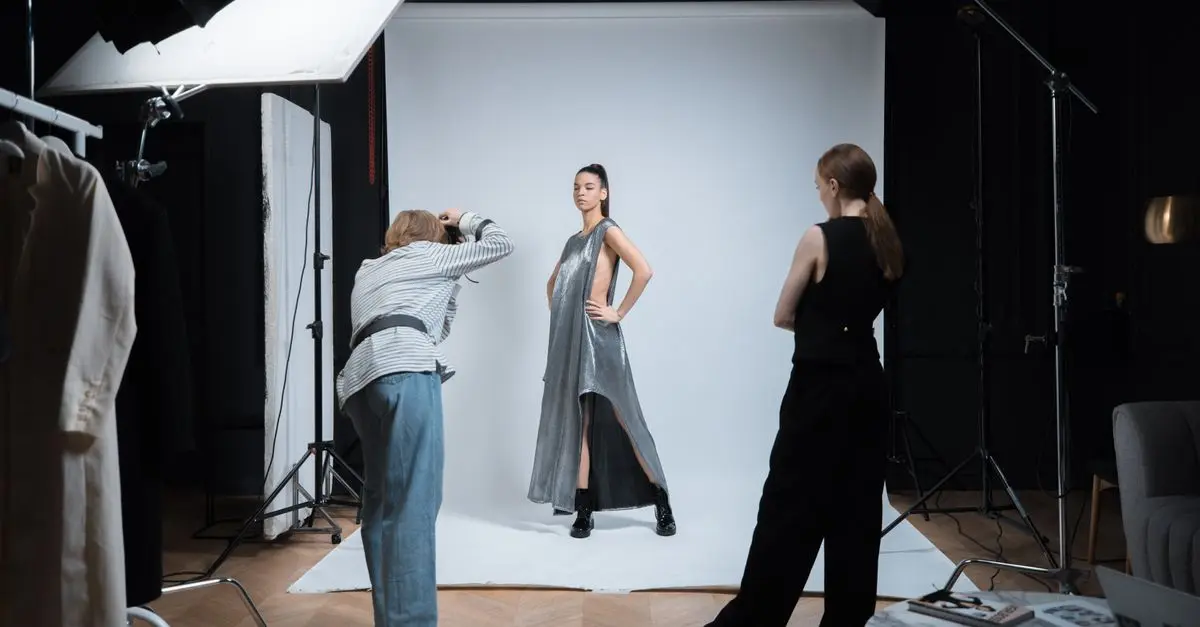
- Editorial and Fashion Shots: If you’re targeting the fashion industry, include editorial shots that demonstrate versatility in poses and styles.
- Lifestyle Images: These are valuable for commercial modelling, presenting you in relatable situations that connect with consumers.


Large Zip A4 Portfolio Pouch - Capra Large Zip A4 Portfolio Pouch - Capra - 26.5(h) x35(w) x 3(d) cm - Black - Cp2126bej
Case Luggage

3. Structuring Your Portfolio
Once you've gathered your images, the next step is structuring your portfolio effectively. A well-structured portfolio tells a story about you as a model and should flow logically. Start with a striking headshot to draw attention, then move onto full-body shots, before transitioning to lifestyle and editorial images.
Consider creating sections within your portfolio to highlight different types of modelling. For instance, you could have dedicated sections for fashion, commercial, and editorial photography. This way, agencies can quickly see your versatility and how well you fit their specific needs. Remember, presentation matters; consider using high-quality portfolio cases or digital platforms to display your work professionally.
4. Keeping Your Portfolio Updated
Your modelling portfolio is a dynamic aspect of your career and should be frequently updated to reflect your growth and changes in the industry. Make it a habit to revisit your portfolio every six months to assess which images still resonate with your career goals and to replace those that no longer represent you accurately.
As you participate in new photoshoots or collaborations, add fresh content to your portfolio. This not only showcases your current skills but also highlights your evolving style as an artist. Agencies appreciate models who show initiative and adaptability.
5. Promoting Your Portfolio
Once your modelling portfolio is complete and polished, it’s time to promote it effectively. Consider these strategies to get your work seen:
- Build a Personal Website: In today’s digital age, having an online presence is crucial. Create a professional website where potential clients and agencies can easily view your portfolio, biography, and contact information.
- Utilise Social Media: Platforms like Instagram and LinkedIn are powerful tools for connecting with industry professionals. Share your portfolio, engage with your audience, and network within the modelling community.
- Attend Networking Events: Participate in industry events or fashion shows to meet professionals face-to-face. Networking can lead to valuable opportunities for collaborations and bookings.
Being proactive in promoting your work significantly increases your visibility and can lead to exciting opportunities in your modelling career.
Checklist for Building a Modelling Portfolio
- [ ] Define the purpose and target niche for your portfolio.
- [ ] Invest in professional photography for high-quality images.
- [ ] Structure your portfolio with a logical flow of images.
- [ ] Regularly update your portfolio with new content.
- [ ] Create a personal website and utilise social media for promotion.

Glossary
| Terme | Définition |
|---|---|
| Portfolio | Collection de photographies représentant le travail d'un modèle. |
| Headshot | Photo en gros plan du visage, essentiel pour toute présentation. |
| Editorial Shoot | Séance photo professionnelle axée sur des concepts créatifs spécifiques. |
> 💡 Avis d'expert : Un modèle à succès doit toujours garder son portfolio à jour pour refléter non seulement son apparence, mais aussi son développement professionnel.
📺 Ressource Vidéo
> [How to Create a Modelling Portfolio],
une analyse complète de la construction d'un portfolio de mannequin. Recherchez sur YouTube : how to create a modelling portfolio.
📺 Pour aller plus loin : how to create a modelling portfolio sur YouTube
Recommended products
Selected by our experts

Acer Chromebook Tab 311 D723N - 11" WUXGA Touchscreen, MediaTek Kompanio 520, 8GB, 128GB, Portfolio Keyboard and Active Stylus Tablet
Back to the Office