Contents (15 sections)
The modelling industry has evolved significantly, and understanding the nuances of a modelling career path is essential for aspiring models. Navigating this landscape involves recognising the different facets of modelling, from fashion to commercial, and the opportunities they present. In this guide, we will explore the essential elements necessary to forge a successful career in modelling, outlining practical steps and offering insights along the way.
Understanding the Modelling Industry
The modelling industry can be broadly divided into various sectors, including fashion, commercial, plus-size, fitness, and editorial modelling. Each sector caters to different audiences and requires distinct skill sets. According to The Model Alliance, approximately 70% of models identify commercial modelling as their primary area of work, as it provides greater job opportunities than other sectors. Understanding these distinctions is essential for any aspiring model looking to carve out their niche.
Why Choose a Modelling Career?
Choosing a modelling career comes with many benefits. It provides creative expression, the opportunity to travel, and a chance to meet diverse individuals. However, it also requires resilience and dedication, as the industry is highly competitive. Modelling can also lead to various avenues, such as acting, personal branding, or even product endorsements. Realising these possibilities can motivate individuals to push forward and hone their skills.
Steps to Begin Your Modelling Career
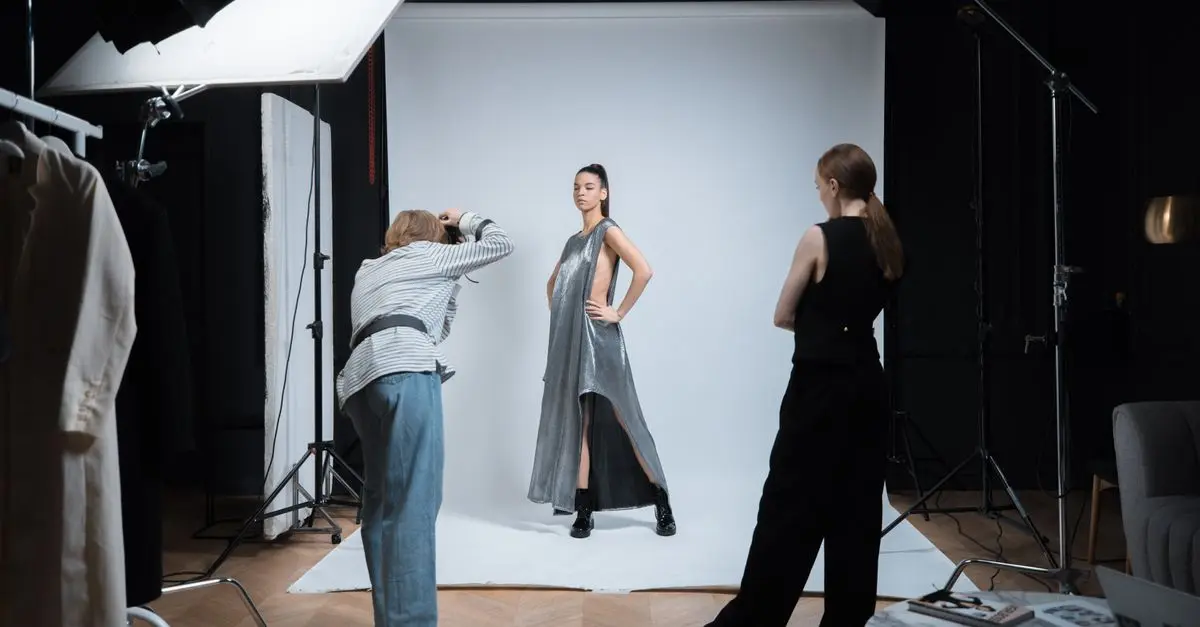
- Build Your Portfolio: Your modelling portfolio is a crucial tool that showcases your range. Invest in quality photos that highlight your versatility. Aim for a variety of styles—headshots, full-body shots, and editorials that reflect different themes.
- Find Representation: A talent agent can open doors in the modelling world. Research agencies that align with your goals and reach out with your portfolio. Attend open calls to increase your chances of being signed.
- Develop Your Skills: Consider enrolling in modelling classes or workshops that cover runway skills, posing techniques, and even business aspects of being a model. Knowledge of makeup and styling can also enhance your appeal.
With these steps in place, you can start to navigate your path effectively. Remember, persistence is key.


A Comparative Look at Modelling Opportunities
To give aspiring models a clearer perspective, the table below outlines various modelling sectors along with their advantages and disadvantages:
| Modelling Sector | Pros | Cons | Average Income |
|---|---|---|---|
| Fashion | High-profile gigs | Highly competitive | £25,000 - £50,000 per year |
| Commercial | Broader opportunities for bookings | Lower visibility in fashion circles | £20,000 - £40,000 per year |
| Plus-Size | Growing market demand | Potential for fewer high-fashion gigs | £15,000 - £35,000 per year |
| Fitness | Health-focused promotions | Limited client base | £20,000 - £30,000 per year |
Current Trends in Modelling
As of 2026, several trends are reshaping the modelling industry. The demand for diversity and inclusivity has never been more significant. Brands are increasingly opting for models of all shapes, sizes, and backgrounds, reflecting the broader societal changes. Additionally, digital modelling is on the rise, with models leveraging platforms like Instagram and TikTok to build their personal brands and reach wider audiences.
Expert Insight
> 💡 Expert Opinion: Navigating a successful modelling career requires not just talent, but also strategic networking. Building a presence on social media is crucial. Many successful models utilise their platforms to engage with audiences and attract potential clients. It's essential to remain authentic and true to your brand.
Frequently Asked Questions
What qualifications do I need to be a model?
Qualifications in modelling are generally informal; however, experience in fashion or performing arts can be beneficial.
How do I deal with rejection in modelling?
Rejection is a part of the industry. Focus on learning from each experience and seek constructive feedback to improve.
Is modelling a stable career?
Modelling can be unpredictable; investing in other skills and career avenues is advisable to ensure financial stability.
How can I promote myself as a model?
Utilise platforms like social media and build a professional portfolio. Networking at industry events can also be advantageous.


Glossary
| Term | Definition |
|---|---|
| Portfolio | A collection of photographs showcasing a model's range and versatility. |
| Agent | A professional who represents a model in the industry, handling bookings and contracts. |
| Runway | A platform where models display clothing and accessories during fashion shows. |
Checklist Before Pursuing Modelling
- [ ] Compile a strong portfolio.
- [ ] Research modelling agencies.
- [ ] Attend workshops or classes.
- [ ] Create a social media presence.
- [ ] Network within the industry.
📺 Resource Video
> 📺 For further insights: Watch ‘Navigating the Modelling Industry in 2026’ for in-depth analysis on the current state of modelling. Search on YouTube: modelling industry 2026 tips.
In conclusion, pursuing a modelling career path can be rewarding with the right preparation, skills, and mindset. As you embark on this journey, keep adapting to industry dynamics and continuously strive for self-improvement.
Explore our recommended products to support your modelling journey!
📺 Pour aller plus loin : The Ultimate Guide To Starting A Consulting Business in 2026 sur YouTube
Recommended products
Selected by our experts