Contents (17 sections)
In the ever-evolving world of modelling, the ethics of modelling plays a crucial role that extends beyond mere aesthetic representations. This guide aims to shed light on the significance of ethical practices in the modelling industry and how they influence career choices for both models and agencies alike.
What is the Ethics of Modelling?
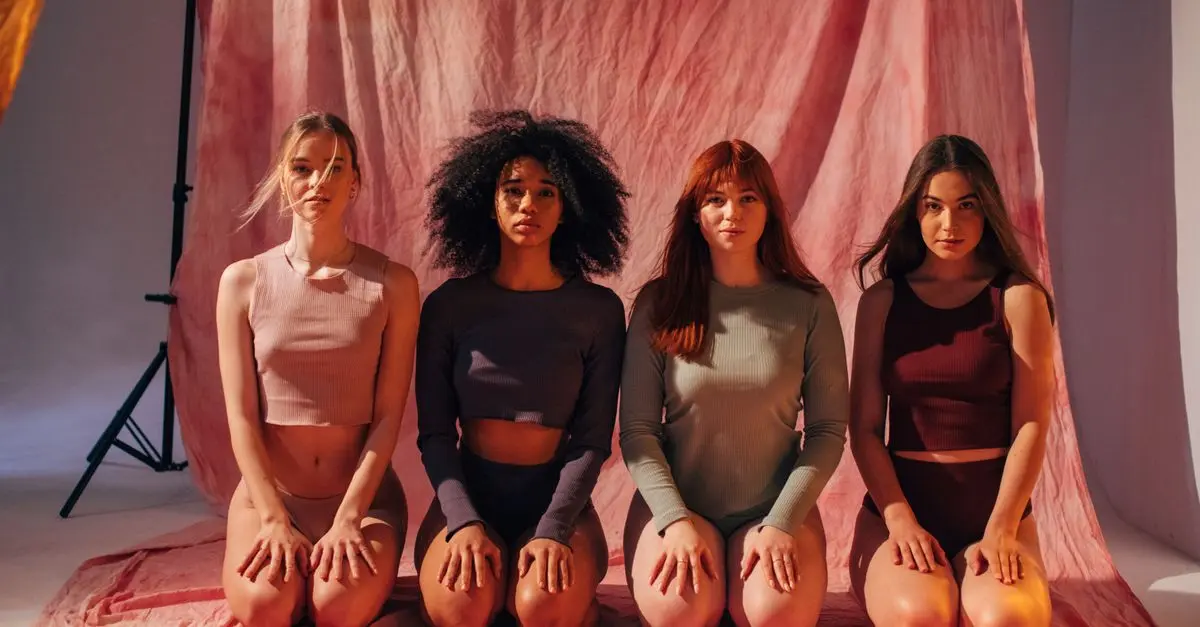
The ethics of modelling encompasses a set of principles that guide behaviour in the industry. It addresses fairness, representation, and the responsibilities of both models and agencies. In recent years, there has been an increasing awareness of the impact of modelling on societal standards of beauty and inclusivity. For instance, the push towards body positivity has prompted many agencies to reconsider their criteria for model selection, leading to a more diverse representation of beauty.
Furthermore, ethical issues often arise around consent and exploitation. Models, particularly those from vulnerable backgrounds, may face pressures that compromise their well-being. According to a study by UFC-Que Choisir, nearly 35% of models reported feeling uncomfortable with expectations placed on them. Therefore, ethical considerations in modelling not only shape professional norms but also contribute to healthier industry practices.
The Importance of Ethics in Career Choices
Making ethical career choices is critical for aspiring models. When models align themselves with agencies that prioritise ethics, they contribute to a positive change in the industry. Not only does this affect the individual's reputation but it also influences public perception of modelling as a profession.
Likewise, agencies that uphold high ethical standards attract talent and clients who value fairness and integrity. For example, Models 1, a leading modelling agency, prides itself on promoting inclusivity and diversity. Their commitment to ethical practices has significantly enhanced their reputation, making them a preferred choice for models who seek supportive career environments.
Moreover, embracing ethical practices can lead to better job security. Models who work with agencies that adhere to ethical guidelines are less likely to face exploitative situations or poor working conditions. This fosters a healthier work environment, contributing to the longevity of their careers.


Procedural Guidelines for Ethical Modelling Practices
To navigate the complexities of the modelling world ethically, here are some procedural guidelines for both models and agencies:
- Understand Industry Standards: Familiarise yourself with the ethical guidelines established by organisations such as the British Fashion Council.
- Communicate Openly: Ensure transparent communication regarding expectations, contracts, and fees between models and agencies.
- Prioritise Well-being: Models should prioritize their mental and physical health, while agencies should provide a supportive and safe environment.
- Educate on Rights: Models must be educated about their rights and how to voice concerns regarding ethical dilemmas.
- Advocate for Diversity: Encourage representation from various backgrounds to foster a more inclusive industry.
Following these guidelines can help create a more ethical landscape within modelling. Furthermore, unequivocal support and continuous dialogue about ethical practices can contribute significantly to industry transformation.
Comparison of Ethical vs. Unethical Practices
In assessing the ethics of modelling, it’s crucial to compare ethical practices against unethical ones. Here's a comparative analysis:
| Criterion | Ethical Practices | Unethical Practices | Verdict |
|---|---|---|---|
| Transparency | Clear contracts and expectations | Hidden fees, unclear contracts | Ethical practices foster trust. |
| Representation | Diverse body types and roles | Homogeneous beauty standards | Ethical representation benefits all. |
| Consent | Informed and voluntary consent | Coercion or pressure to comply | Consent is key to ethical modeling. |
| Well-being | Focus on mental and physical health | Ignoring model's welfare | Well-being must be prioritized. |
Key Statistics and Data
Recent statistics indicate the growing importance of ethics in the modelling industry. A survey conducted by the British Fashion Council revealed that over 70% of models prefer to work with agencies that have a clear ethical framework. Moreover, 85% of clients reported that they are more likely to engage agencies that advocate for diversity and inclusion.
These figures highlight a shifting paradigm where ethical considerations are not merely a checkbox but a central tenet of successful modelling careers. Additionally, the rise of social media has allowed models to voice their experiences and advocate for their rights, setting a precedent for transparency and accountability across the industry.
Expert Opinion
> 💡 Expert Insight: Navigating the ethics of modelling requires a commitment to fostering an environment that values integrity over profit. As we move towards a more inclusive future, we must recognise the indispensable role ethics play in shaping the industry's landscape.
FAQ on the Ethics of Modelling
What does ethical modelling involve?
Ethical modelling involves practices that respect the rights and wellbeing of all individuals involved, promoting inclusivity and transparency.
Why is ethics important in modelling?
Ethics are vital in modelling to prevent exploitation, promote diversity, and enhance the industry’s overall reputation.
How can models ensure they are working with ethical agencies?
Models should research agencies, read reviews, and seek recommendations from other models to identify ethical practices.
Are there any governing bodies for ethical modelling practices?
Yes, organisations like the British Fashion Council and the Fashion Ethics Association provide guidelines and advocate for ethical practices in the modelling industry.
Checklist for Ethical Modelling Practices
- [ ] Research agencies for ethical reputations.
- [ ] Read and understand contracts carefully.
- [ ] Attend workshops on rights and support.
- [ ] Cultivate a diverse network within the industry.
- [ ] Regularly assess your own ethical standards in interactions.
Glossary
| Terme | Définition |
|---|---|
| Ethics | Principles that govern a person's behaviour or the conducting of an activity. |
| Consent | Permission for something to happen or agreement to do something. |
| Inclusion | The practice of providing equal access to opportunities and resources for individuals. |
📺 Resource Video
> 📺 For deeper understanding: Explore insights into ethical modelling practices and industry challenges. Search on YouTube: "ethics in modelling industry 2026"
Recommended Products
- Balloon Modelling Diploma Training Course: Enhance your skills in modelling for events. Suitable for enthusiasts looking to expand their creative horizons.
- Creativ Company Modelling Clay: Ideal for creative projects involving modelling that encourages innovation in design.
- Junior Designer JDE Dough Machine Modelling Wax Set: A great choice for kids interested in exploring the art of modelling. Fosters creativity and engagement.
Conclusion
As the modelling industry continues to evolve, embracing ethical practices is not just an option but a necessity. It is crucial for models, agencies, and clients to navigate this landscape with respect and integrity. By advancing a culture of ethics, we can ensure that the modelling profession remains a viable and respectful form of artistic expression, ultimately enhancing its reputation in society. By prioritising ethics in modelling, we can enhance the industry's credibility and create a more inclusive environment for all involved.
📺 Pour aller plus loin : ethics in modelling industry 2026 sur YouTube
Recommended products
Selected by our experts