Contents (22 sections)
The modelling industry offers a wealth of career opportunities that extend beyond the traditional runway model. In 2026, the landscape of modelling continues to evolve, providing aspiring professionals with a plethora of paths to explore, each with its own unique requirements and skill sets. From fashion and commercial modelling to niche categories like plus-size and fitness modelling, understanding the different types of modelling careers is pivotal for success in this competitive environment.
1. Fashion Modelling
What is Fashion Modelling?
Fashion modelling involves showcasing clothing and accessories for designers, brands, and magazines. This category often features in high-end fashion shows and advertisements, making it one of the most recognised types of modelling.
Key Requirements
To embark on a fashion modelling career, individuals generally need a specific body type and height, particularly around 5’9” for women and 6’0” for men. However, with the growing diversity in fashion, many designers now embrace models of various sizes and backgrounds. Having a versatile portfolio that highlights your adaptability is crucial, alongside experience in photo shoots or runway shows.
Example Statistics
According to the British Fashion Council, the UK fashion sector is projected to contribute £35 billion to the economy in 2026, demonstrating a growing demand for models across various niches. To succeed, models should also possess strong networking skills to connect with agencies and brands.
2. Commercial Modelling
Overview of Commercial Modelling
Unlike fashion modelling, commercial modelling focuses on promoting products or services in a more relatable and accessible manner. This type often appears in advertisements, brochures, and promotional materials.
Who Can Become a Commercial Model?
Commercial modelling is typically more inclusive regarding age, size, and appearance. Models can range from young adults to seniors, and diverse body types are increasingly welcomed. Key skills include strong communication and presentation abilities, as models often represent brands directly to the public.
Real-World Application
For instance, many local brands seek commercial models that resonate with their target audience, enhancing brand authenticity. A diverse model can significantly impact how potential customers perceive a brand's relatability.


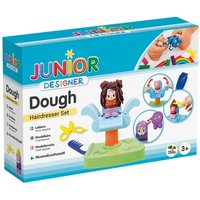
3. Fitness Modelling
Definition and Scope of Fitness Modelling
Fitness modelling focuses on showcasing athletic wear and promoting health-related products. This niche has surged in popularity due to the fitness industry's growth, fueled by an increased emphasis on well-being.
Requirements and Skills
To break into fitness modelling, individuals must maintain a fit physique while demonstrating strong posture and confidence. Enthusiasm for fitness and an active lifestyle are essential. Many successful fitness models also share their workout routines on social media, creating a personal brand that attracts sponsorship and collaboration opportunities.
Statistics on Growth
A recent survey indicated that the health and fitness market in the UK is expected to exceed £20 billion in 2026, highlighting the significant potential for fitness models to thrive.
4. Plus-Size Modelling
Understanding Plus-Size Modelling
Plus-size modelling has gained momentum as the fashion industry increasingly embraces body positivity and diversity. Models in this category typically wear sizes that reflect the average woman’s size, challenging traditional beauty standards.
Opportunities and Industry Changes
In 2026, plus-size models have more opportunities than ever, with brands recognising that a wider range of body types can lead to greater consumer connection. Models in this field should focus on promoting self-acceptance and confidence while collaborating with brands that champion inclusivity. Examples of successful plus-size models include Tess Holliday and Ashley Graham, who have paved the way for others in the industry.
5. Promotional Modelling
What is Promotional Modelling?
Promotional models play a critical role in marketing strategies by representing brands at events, trade shows, and exhibitions. Their primary objective is to engage with the audience and promote products directly.
Skills Required
Successful promotional models often possess strong interpersonal skills and an outgoing personality. They must also be comfortable interacting with the public and able to communicate product features effectively. Flexibility in working hours and adaptability to various event environments are additional key traits for success in this field.
Insights into Demand
According to industry reports, promotional modelling is expected to grow by 10% in the next five years, reflecting the increasing importance of face-to-face marketing.
Comparison of Modelling Types
| Type | Primary Focus | Requirements | Market Growth |
|---|---|---|---|
| Fashion Modelling | High-end fashion and runway | Height, look | Steady, diversified |
| Commercial Modelling | Everyday products and services | Versatility | Strong across sectors |
| Fitness Modelling | Health and wellness products | Athletic physique | Rapid growth |
| Plus-Size Modelling | Body positivity and inclusivity | Body diversity | Expanding rapidly |
| Promotional Modelling | Event-based marketing | Interpersonal skills | Expected to grow 10% |

Expert Opinion
> 💡 Expert Insight: According to industry professionals,
Recommended products
Selected by our experts