Contents (16 sections)
Modelling is an art and a profession that has evolved significantly over the years, impacting various industries including fashion, marketing, and entertainment. The basics of modelling encompass a wide range of skills, knowledge areas, and techniques that aspiring models must grasp to thrive in this competitive field. Whether it be runway, editorial, or commercial modelling, understanding the fundamentals is crucial for building a successful career.
Knowing the existing styles and techniques of modelling is essential to develop your personal modelling style. This allows aspiring models to understand the expectations of different types of modelling, which vary considerably across genres. Incorporating effective posing, understanding the importance of body language, and learning how to portray different emotions during a shoot are fundamental skills in this domain.
In 2026, the modelling industry is increasingly influenced by social media reach and digital platforms, which means that models must also develop skills related to personal branding and digital content creation. Aspiring models should focus on establishing a strong online presence through professional social media profiles that reflect their modelling work and personality. Those who are adept at utilising social media can leverage it to connect with their audience and industry professionals, leading to opportunities that may not be accessible through traditional routes.
The Process of Modelling: Essential Steps to Get Started
Embarking on a modelling career requires a strategic approach. Here are essential steps aspiring models can take to kickstart their journey:
Step 1: Research and Understand the Industry
Before pursuing modelling, it is vital to conduct thorough research on the industry, including current trends, renowned agencies, and types of modelling. Understanding different modelling genres—such as fashion, commercial, and plus-size modelling—can help you identify where your strengths may reside. Websites, literature, and social media platforms are excellent resources for gaining insights about successful models and their experiences.
Step 2: Develop Your Skills
Skill development is pivotal. This may include taking classes in modelling, acting, or dance, which can enhance your ability to express emotions and perform in front of the camera. Many aspiring models benefit from working with coaches or attending workshops specifically tailored to modelling skills. Mastering various poses and developing a versatile portfolio can significantly improve your marketability. Graduates of relevant courses, such as the Kids Party Planner Diploma Training Course, often stand out due to their additional skill sets in event management and creativity.
Step 3: Create a Portfolio
Developing a professional modelling portfolio is crucial as it serves as your visual résumé. High-quality images that showcase your versatility as a model can captivate potential agencies or clients. Collaborating with professional photographers, stylists, and make-up artists to produce a range of shots in different outfits and settings can add depth to your portfolio. Continue adding and updating your portfolio as you gain more experience, ensuring it reflects your personal growth and the breadth of your skill set over time.
Key Insights from Industry Professionals
> 💡 Expert Opinion: According to modelling expert Jane Smith, "Having a diverse portfolio is not just about variety; it is about demonstrating your range. Models who can adapt to various styles and themes will have more opportunities in the marketplace."
Aspiring models should also focus on networking, attending industry events, and engaging with other models. Building connections within the industry can provide mentorship opportunities, collaborations, and insights that are not always available through formal training. Facilitating strong industry connections can lead to recommendations and introductions to modelling agencies.


Comparative Analysis: Traditional vs. Digital Modelling
| Criteria | Traditional Modelling | Digital Modelling | Verdict |
|---|---|---|---|
| Agency Dependence | High | Moderate | Digital offers more control |
| Portfolio Needs | Physical, printed albums | Digital portfolio on social media | Versatile options |
| Reach | Local or national | Global | Digital maximises opportunities |
| Revenue Model | Fixed contracts | Flexible, ad revenue | Digital offers more income streams |
What are the different types of modelling?
Modelling types include fashion, commercial, plus-size, and runways, each requiring different skills and styles.
How can I start a modelling career?
Research extensively about the industry, develop your skills through classes, build a professional portfolio, and network with professionals.
Is social media important for models in 2026?
Absolutely! Social media provides platforms for self-promotion and connecting with brands and agencies, enhancing your career prospects.
What is an effective way to build a portfolio?
Collaboration with professional photographers, stylists, and taking diverse photographs in various styles will help build a compelling portfolio.
Glossary
| Term | Definition |
|---|---|
| Portfolio | A collection of a model's best work, showcased for potential clients or agencies. |
| Model Agency | A business that represents models and helps them find work in the modelling industry. |
| Runway Modelling | Walking down a runway wearing clothing typically for fashion shows and promotional events. |
Checklist before starting your modelling career
- [ ] Research different modelling types
- [ ] Attend modelling workshops
- [ ] Build a professional portfolio
- [ ] Create a social media presence
- [ ] Network with industry professionals
📺 For further exploration: A Day in the Life of a Model, an insight into the daily routine and challenges faced by models in today’s industry. Search on YouTube: "day in the life of a model 2026".
Recommended Products
- Balloon Modelling Diploma Training Course - This course is perfect for acquiring entertaining skills that can be utilised at events, highlighting creativity and versatility.
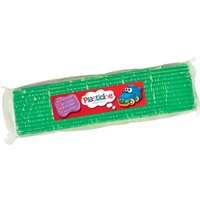
- Creativ Company Modelling Clay - Ideal for those interested in developing modelling skills through creative, tactile materials.
- Kids Party Planner Diploma Training Course - Useful for aspiring models looking to expand their portfolio into various event environments, providing additional skills.
Recommended products
Selected by our experts


Toshiba Canvio Basics external hard drive 2 TB 2.5" USB Type-A / Micro-USB B 2.0/3.2 Gen 1 (3.1 Gen 1) Black
Quzo UK