Contents (11 sections)
In the diverse world of modelling, understanding the different modelling genres is crucial for aspiring models looking to carve out a niche for themselves. This guide aims to delineate various genres, providing insight into their nuances, requirements, and potential pathways for career development. Whether you're considering a career in fashion, commercial, or another specialty, this comprehensive exploration will equip you with the knowledge needed to make informed decisions.
What are Modelling Genres?
Modelling genres refer to the various categories within the modelling industry, each characterised by distinct styles, purposes, and target audiences. The primary genres include fashion, commercial, plus-size, fitness, and editorial modelling. Each genre has unique requirements in terms of looks, measurements, skills, and experience.
Fashion Modelling
Fashion modelling is perhaps the most renowned genre, predominantly associated with high-end fashion shows and campaigns. Models in this category often feature in magazines, runway shows, and promotional content for designers and brands. Key requirements for fashion models typically include specific height ranges and body measurements, which align with the industry's standards. For instance, high fashion models often stand between 5'9" to 6'0" tall and possess a lean physique.
Moreover, being a fashion model requires not only a striking appearance but also a unique ability to convey emotion and personality through poses and expressions. The demand for versatility and adaptability to various styles can be challenging but rewarding—according to the British Fashion Council, the modelling industry significantly contributes to the UK economy, with fashion shows being pivotal events.
Commercial Modelling
When it comes to commercial modelling, the focus shifts towards representational images and advertising that connects with a wider audience. Commercial models appear in advertisements for everyday products, from skincare to household items, and they come in various shapes, sizes, and ages. This genre has gained popularity as brands increasingly aim for inclusivity in their marketing.
To succeed as a commercial model, it is essential to have a relatable and approachable appearance, making this genre appealing for model candidates who do not meet traditional fashion criteria. According to recent statistics, commercial modelling has seen a 15% annual growth, driven in part by the rise of the influencer culture and digital marketing.
Plus-Size Modelling
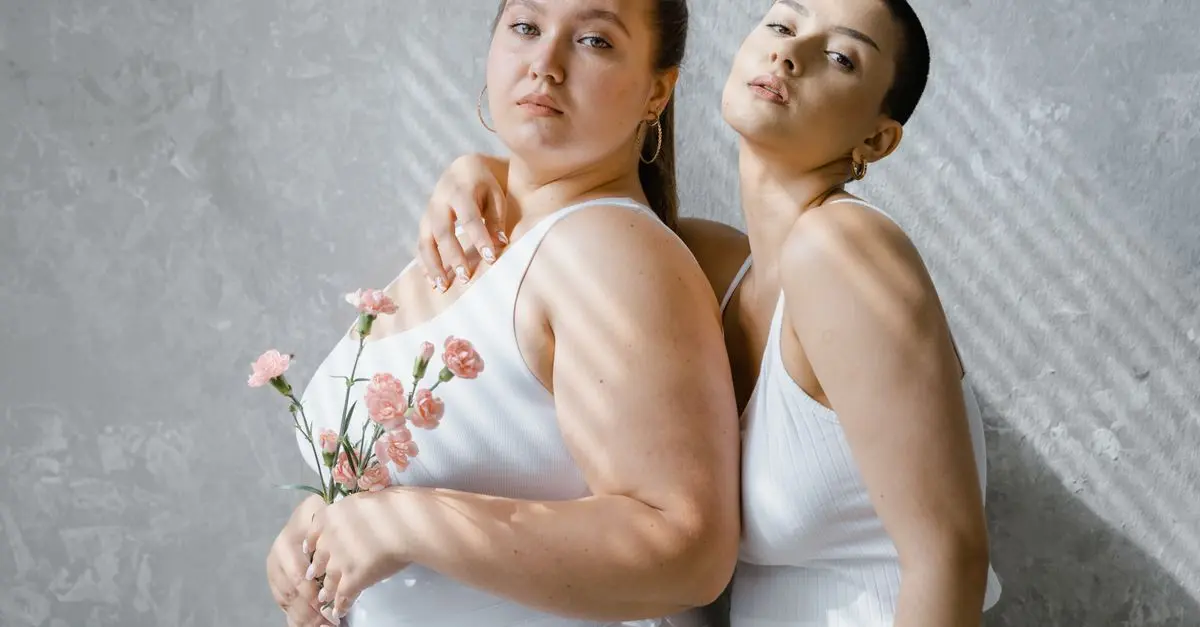
The plus-size modelling genre has emerged as an influential segment in the industry, reflecting society's progression towards embracing body diversity. Plus-size models typically represent sizes above the standard fashion model measurements and highlight clothing for curvier figures. This genre confronts outdated beauty standards and plays a significant role in advocating for body positivity.
Modelling agencies are actively seeking plus-size talent, with brands like ASOS and Boohoo showcasing their commitment to inclusivity. Plus-size models not only advocate for representation but can also participate in campaigns that encourage self-acceptance and confidence among consumers.
Fitness Modelling
Fitness modelling combines elements of fashion and lifestyle with a focus on physical fitness and health. Fitness models often work with sports brands, health supplements, or fitness magazines. Compared to traditional fashion modelling, fitness modelling requires a well-toned physique and a dedication to maintaining a healthy lifestyle, as models are not only representations of products but also embody the brand's ethos.
This genre has gained prominence, correlating with the growing interest in health and fitness. Fitness-related content on social media platforms has boosted the visibility of fitness models, leading to an increase in demand for this genre by approximately 20% in recent years. Fitness models often advocate for positive lifestyle choices and can inspire viewers through their journeys.
Editorial Modelling
Lastly, editorial modelling primarily pertains to editorial content in magazines, focusing more on artistic expression than commercial viability. Models in this genre often collaborate with photographers, stylists, and creative directors to create visuals that tell a story or convey a specific artistic vision.
Editorial models usually face different standards when compared to commercial or fashion modelling, as characteristics such as uniqueness and the ability to represent complex themes are often valued over conventional beauty. This genre may not always lead to substantial financial gain immediately, but exposure in editorial publications can open doors to various opportunities within modelling.
Comparative Overview of Modelling Genres
To clearly outline the distinctions between different modelling genres, consider the following comparative table:
| Genre | Typical Characteristics | Target Audience | Primary Employers |
|---|---|---|---|
| Fashion | Height: 5'9" - 6'0", lean physique | High-end fashion enthusiasts | Designers, brands |
| Commercial | Relatable look, all sizes welcome | General consumers | Advertising agencies |
| Plus-Size | Sizes above traditional fashion measures | Curvy consumers | Brands promoting inclusivity |
| Fitness | Toned physique, health-focused | Fitness enthusiasts | Health and fitness brands |
| Editorial | Unique features, artistic representation | Fashion and art enthusiasts | Magazines, publications |
💡 Avis d'expert: Le choix d'une spécialité en modélisation ne doit pas seulement se baser sur les exigences physiques, mais aussi sur votre passion et votre engagement envers le domaine choisi. Cultivez votre présence en ligne, travaillez votre réseau et restez persévérant.


Nothing Headphone (1) Headset Wired & Wireless Head-band Calls/Music USB Type-C Bluetooth Black White
Quzo UK
Glossaire
| Terme | Définition |
|---|---|
| Fashion Modelling | Modélisation dans des contextes de haut niveau pour des marques de luxe. |
| Commercial Modelling | Modélisation qui cible le grand public, axée sur l'accessibilité. |
| Editorial Modelling | Modélisation artistique pour des publications, souvent créative et novatrice. |
Checklist avant achat
- [ ] Déterminez quel genre de modélisation vous intéresse.
- [ ] Recherchez des agences qui se spécialisent dans votre genre.
- [ ] Construisez un portfolio adapté à votre spécialité.
- [ ] Suivez des formations ou ateliers pour améliorer vos compétences.
- [ ] Établissez votre présence en ligne pour attirer des clients potentiels.
📺 Pour aller plus loin : Un aperçu approfondi des différents genres de modélisation, une analyse complète. Recherchez sur YouTube : "understanding modelling genres 2026".
📺 Pour aller plus loin : understanding modelling genres 2026 sur YouTube
Recommended products
Selected by our experts