Contents (22 sections)
The modelling industry is a vibrant but competitive field, filled with opportunities for those who are prepared. Understanding the ins and outs of this industry is vital for anyone looking to build a successful career. This article provides essential insights and strategies for navigating the modelling industry effectively.
Understanding the Modelling Industry
What is the Modelling Industry?
The modelling industry encompasses a vast realm of commercial art and fashion. Models are often employed to promote products, fashion, or services through various media. This includes print advertisements, runway shows, online platforms, and television.
Historically focused on beauty standards and physique, the modelling industry has evolved significantly in recent years, increasingly embracing diversity in all shapes, sizes, and backgrounds. According to research from INSEE, the modelling market's revenues are projected to grow by 5% annually, demonstrating a steady recovery and demand following recent global challenges.
Why is Understanding the Industry Important?
Understanding the modelling industry is crucial for aspiring models. With a landscape that can sometimes feel overwhelming, having a solid grasp of the mechanics—such as agency representation, contracts, and market trends—can differentiate a successful model from the rest. This knowledge empowers models to make informed decisions regarding their career trajectories and helps them to navigate potential pitfalls.
Steps to Successfully Enter the Modelling Industry
Step 1: Research and Training
Before stepping into the modelling world, conducting thorough research is essential. Familiarise yourself with different modelling types—such as fashion, commercial, plus-size, and fitness modelling. Each sector has its own requirements and standards, which can significantly influence your career path.
Moreover, investing in professional training, such as attending model workshops or classes, can enhance your skills and provide you with industry insights. For example, consider enroling in a Balloon Modelling Diploma Training Course to understand the basics of modelling techniques while having fun!
Step 2: Build Your Portfolio
A professional portfolio is your calling card in the modelling industry. It showcases your versatility and experience to potential agents and clients. Collaborating with photographers, stylists, and makeup artists can help you create a diverse portfolio that captures various looks and styles.
Step 3: Seek Representation
Once your portfolio is ready, the next step is seeking representation from established modelling agencies. Research reputable agencies, paying close attention to their specific areas of focus and client base. Sending a concise email with your portfolio attached and a professional introduction can open doors to opportunities.


Comparison of Modelling Agencies
| Agency Type | Specialisation | Pros | Cons |
|---|---|---|---|
| Commercial Agency | Broad, various market sectors | Extensive client base, wide exposure | Competition is high, requires mainstream appeal |
| Fashion Agency | High fashion, runway modelling | Prestigious clientele, elite fashion shows | Stricter requirements, high rejection rates |
| Plus-Size Agency | Focus on plus-size modelling | Growing demand, diverse representation | May not appeal to all fashion markets |
| Talent Agency | Various talents (acting, etc.) | Versatile skill development | Need a diverse skill set beyond modelling |
Navigating Challenges in the Modelling Industry
Identifying Common Challenges
Navigating the modelling industry isn't without its challenges. One of the foremost issues is the risk of scams. Aspiring models are often targeted by unscrupulous individuals posing as legitimate agencies or photographers. Vigilance is essential; always undertake due diligence before committing to any contracts or payments.
Additionally, rejection is a part of the modelling journey. According to the UFC-Que Choisir, models may face up to 95% rejection rates during the audition process. Developing a thick skin and maintaining resilience is key to overcoming this hurdle and continuing to pursue your dreams.
Building Resilience
Building resilience can involve various strategies, including seeking feedback from experienced professionals, participating in support groups or workshops, and learning mindfulness practices to cope with stress. Engaging with a mentor in the industry can provide invaluable guidance and motivation.
📺 Resource Video
> 📺 For deeper insights: Mastering the Modelling World, an engaging look into the industry. Search on YouTube: how to enter the modelling industry 2026.
Expert Opinions
> 💡 Expert Insight: "Aspiring models should prioritise authenticity. Embrace individuality and develop a unique personal brand. The industry is shifting to celebrate diversity, and this is where opportunities lie."

Frequently Asked Questions
Q1: What skills do I need to become a model?
A1: Key skills include strong communication, adaptability, and an understanding of body language. Taking acting or public speaking classes can also be beneficial.
Q2: How can I find modelling gigs?
A2: Networking and creating a strong online presence through social media platforms, along with registering with reputable modelling agencies, can lead to potential opportunities.
Q3: What should I include in my modelling portfolio?
A3: A diverse array of photographs that demonstrate your range should be included. This can involve headshots, full-body shots, and specialised images.
Q4: How important is social media for models?
A4: Maintaining an engaging social media presence is crucial in today’s digital age. Brands often scout for models through platforms like Instagram, making it an effective marketing tool.
Glossary
| Terme | Définition |
|---|
| Portfolio | Collection of photographs and works showcasing a model’s range.
| Agency Representation | Being managed by an agency that finds work opportunities for models.
| Casting Call | An invitation for models to audition for a specific role or job in modelling.
Checklist Before Entering the Modelling Industry
- [ ] Research modelling types and opportunities
- [ ] Build a professional portfolio with diverse looks
- [ ] Seek representation from a reputable agency
- [ ] Stay informed about industry trends
- [ ] Attend networking events and workshops
- [ ] Prioritise health and fitness
- [ ] Create a strong social media presence
We invite you to explore our selected modelling products and resources designed to assist you further in your modelling journey.**
Recommended Products
- Balloon Modelling Diploma Training Course: This course is a fun way to learn about modelling and develop your skills.
- Creativ Company Modelling Clay: Ideal for creative expressions that can help in developing hand coordination.
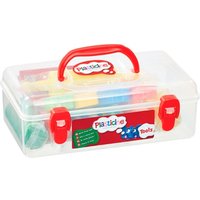
- Plasticine Toolz Modelling Wax Set: Engaging and practical kit for families to enjoy crafting together.
📺 Pour aller plus loin : how to enter the modelling industry 2026 sur YouTube
Recommended products
Selected by our experts